This post contains affiliate links. As an Amazon Associate we earn from qualifying purchases, at no extra cost to you. Read our disclosure.
Safety first: Always supervise little ones, and skip small parts for kids who still put things in their mouths. Please read our play safety notes before you start.
Key takeaways
- 12 gratitude activities for ages 2 to 8 that need no craft supplies.
- Toddlers copy you, preschoolers like games and older kids like roles and rituals.
- Attach gratitude to something you already do: bedtime, dinner or the car.
- A 7-day starter plan makes it easy to begin in Thanksgiving week.
- Every activity lists ages, prep, mess, supplies and a safety note.
In this post19 sections
- Gratitude Activities for Kids: How to Start
- Gratitude Activities for Toddlers (Ages 2 to 3)
- 1. Thank-you walk
- 2. Wave-and-thank helper hunt
- 3. Thank-you while you tidy
- 4. Three good things at bedtime
- Gratitude Games for Preschoolers (Ages 4 to 5)
- 5. I spy something I'm thankful for
- 6. Gratitude jar without writing
- 7. Thankful charades
- 8. Gratitude scavenger hunt
- Gratitude Activities for Ages 6 to 8
- 9. Thankful alphabet game
- 10. Rose, bud, thorn at dinner
- 11. Appreciation spotlight
- 12. Pay-it-forward kindness card
- A 7-Day Gratitude Starter Plan
- Keep Gratitude Time Safe and Kind
- FAQ
Gratitude Activities for Kids: How to Start
Kids learn gratitude by noticing, not by being told to say thank you. The 12 ideas below are conversations, games and tiny habits, so there is no craft table to set up. Pick one for your child's age and repeat it for a week.
Some links on this page are Amazon links, and we may earn a small commission if you buy. All activities need an adult nearby, and small items such as beads and buttons are choking hazards for children under 3.
| Age | What works | Best time | Activities |
|---|---|---|---|
| 2 to 3 | Noticing and saying thank you out loud | Walks, tidy up, bedtime | 1 to 4 |
| 4 to 5 | Simple games and tell-it jars | Car rides, waiting rooms, after school | 5 to 8 |
| 6 to 8 | Group games, rotating roles and acts of kindness | Dinner, holidays, weekends | 9 to 12 |
Gratitude Activities for Toddlers (Ages 2 to 3)
Toddlers cannot explain gratitude, but they can copy it. Keep these to one minute, say the words together and do not expect a reply.
1Thank-you walk
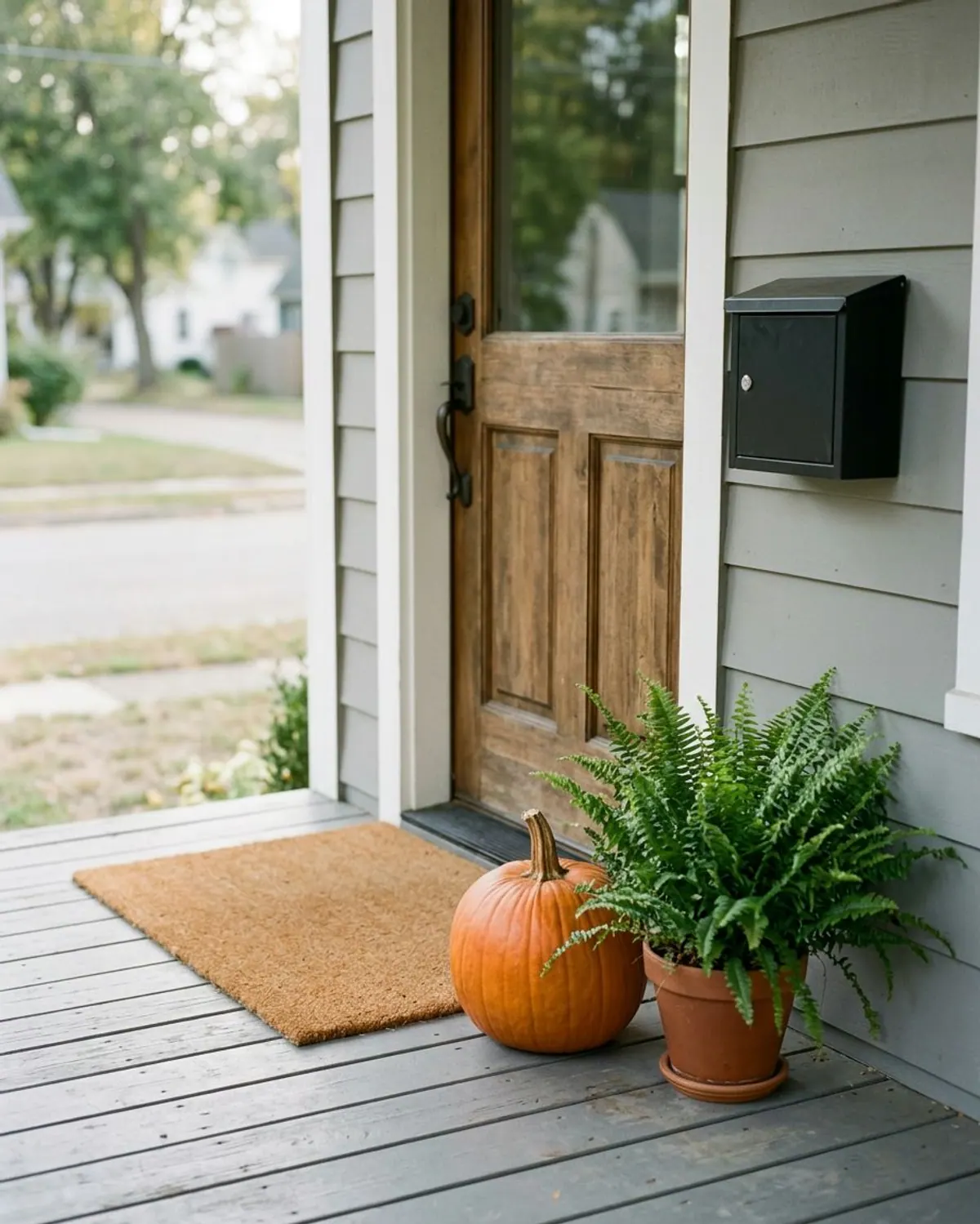
Walk around the house or the yard and say thank you to the things that help: the door, the sun, the tree, the dog. Point and say it out loud, and let your child copy you. It teaches that gratitude means noticing, with no words to memorize.
Ages: 2 to 3
Prep: 1 minute
Mess: None
Supplies: nothing, just a short walk inside or out
Safety: hold hands near roads and driveways, and keep your toddler away from anything small they could pick up and mouth.
- Pick three things and say thank you to each one the same way every day.
2Wave-and-thank helper hunt
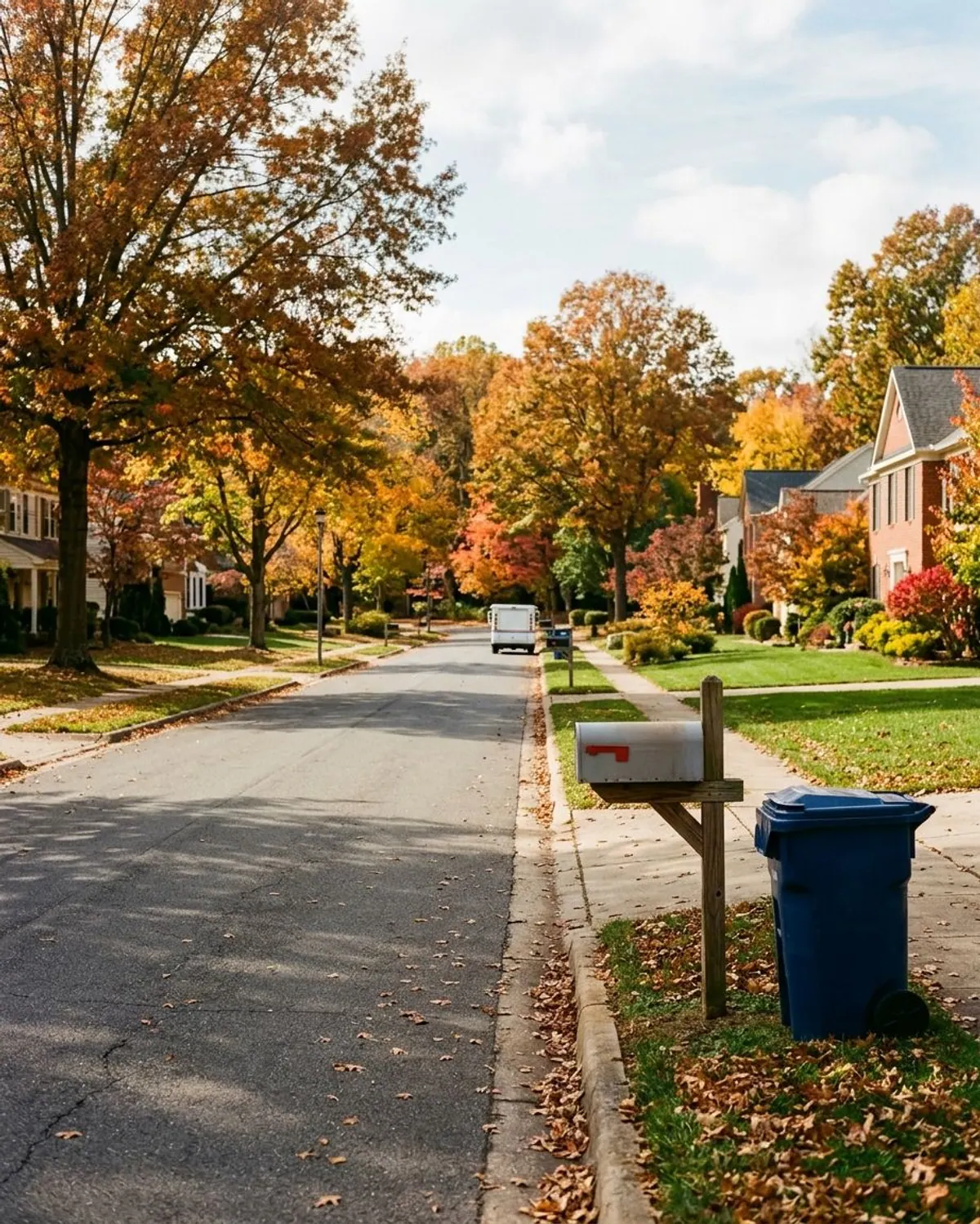
Look for people who help on a drive or a walk: the mail carrier, a garbage truck driver, a crossing guard, a bus driver. When you spot one, wave and say "Thank you for helping." Back home, ask who you saw.
Ages: 2 to 4
Prep: 1 minute
Mess: None
Supplies: a walk or a drive
Safety: stay on the sidewalk and keep a firm hold of small hands near roads and trucks. Wave from a safe distance, and never go near a working vehicle.
- Keep a short list of helpers and tick them off each day.
3Thank-you while you tidy
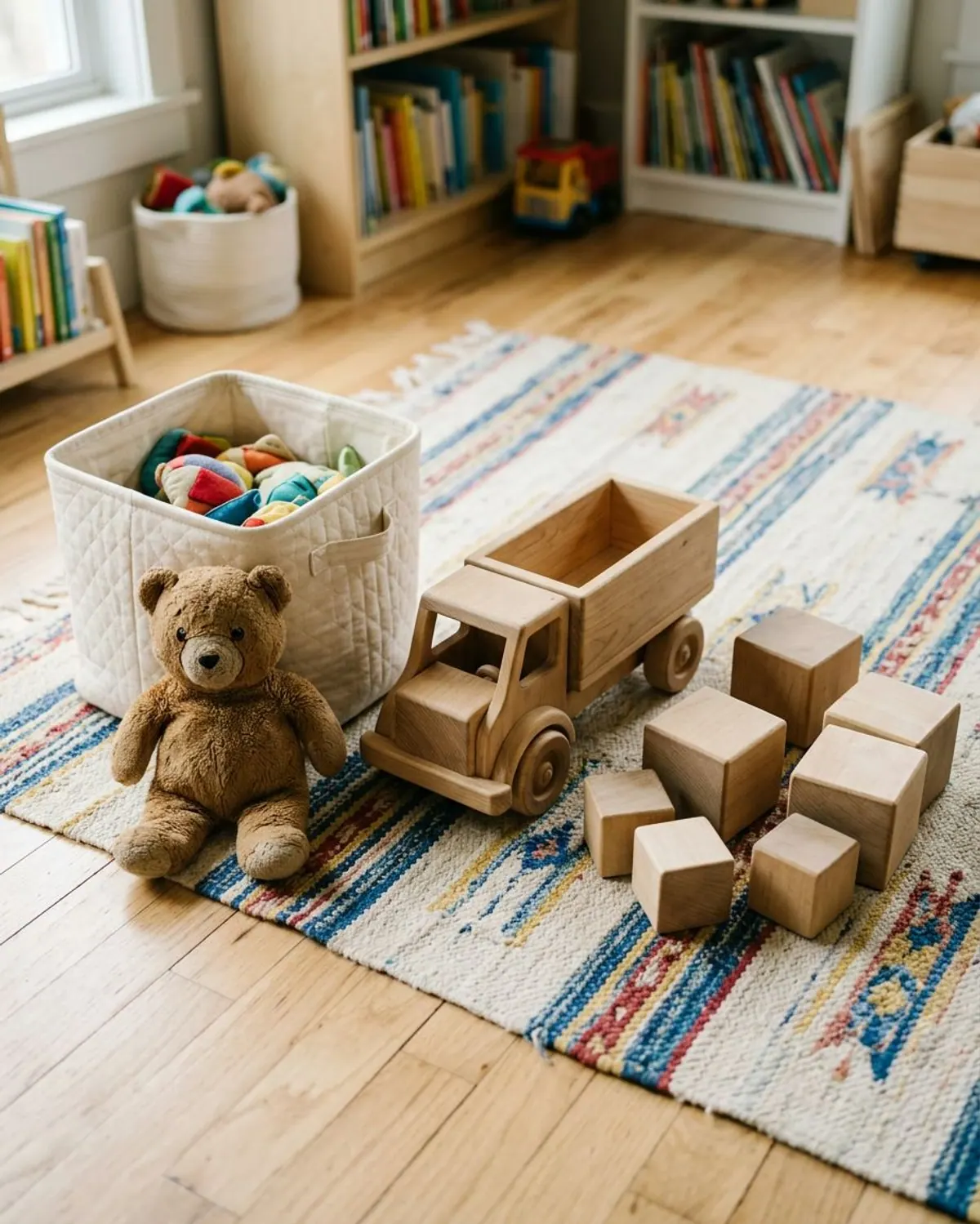
At cleanup time, hold up each toy and say thank you before it goes in the bin: "Thank you, truck, for the ride." It turns a chore into a warm ritual and shows toddlers that things deserve care.
Ages: 2 to 3
Prep: None
Mess: None
Supplies: a toy bin and the toys already out
Safety: pick up small toys before a baby or toddler under 3 reaches them, and check that tidy-up spots are clear of cords.
- Let your child pick which toy gets thanked first.
4Three good things at bedtime
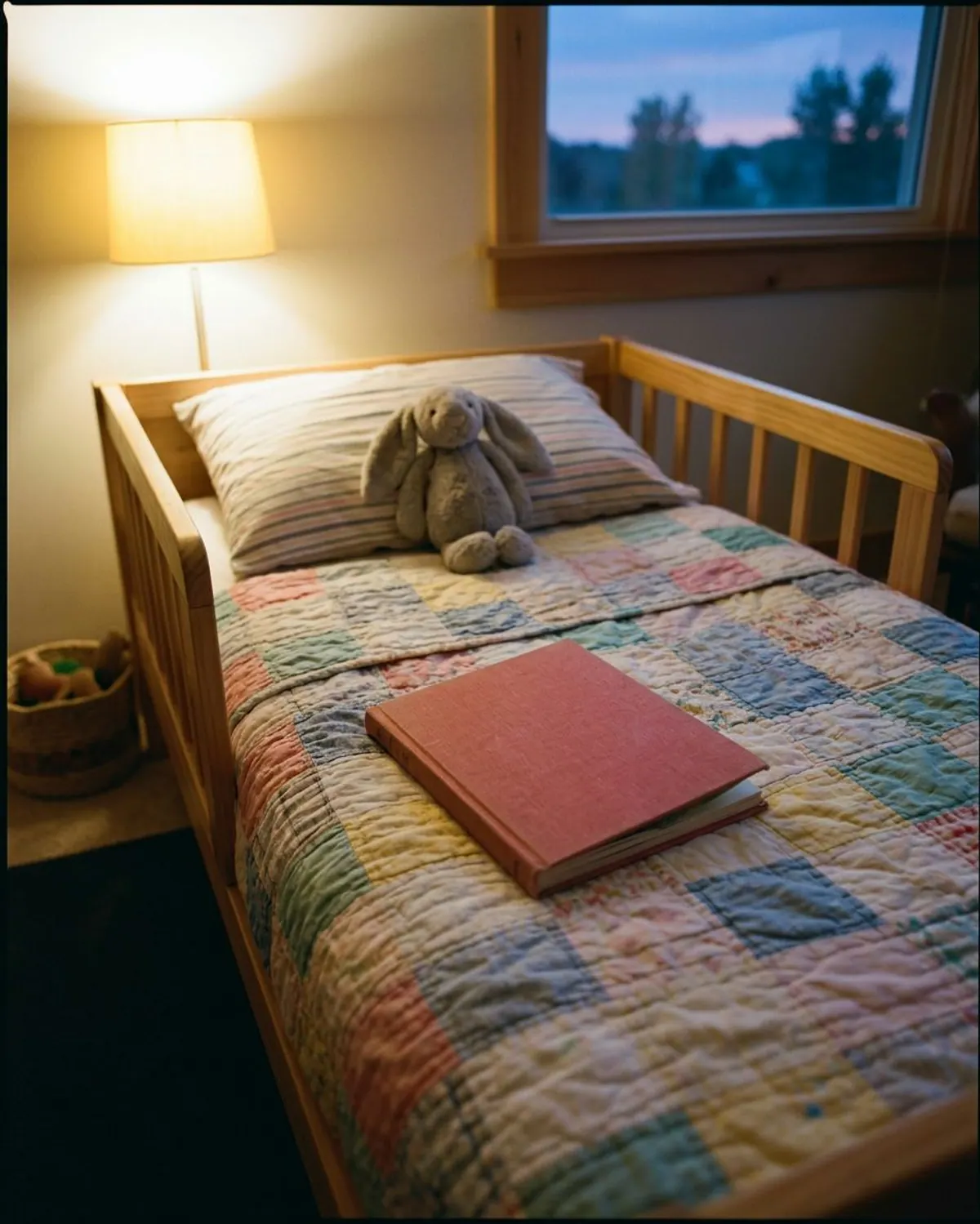
After the pajamas and the book, ask: "What were three good things today?" Toddlers can point to pictures or name just one. Older kids can name three, and you add your own, so they hear how you notice good things too.
Ages: 2 to 8
Prep: None
Mess: None
Supplies: a bedtime routine, no supplies
Safety: keep the tone calm and positive, and skip it on a rough day if a hug is what your child needs.
- Keep it to two minutes so it stays a habit rather than a chore.
Gratitude Games for Preschoolers (Ages 4 to 5)
Preschoolers like games with clear rules and a turn to go. These four are short enough to play while waiting for dinner.
5I spy something I'm thankful for
Play I spy with a twist: "I spy something that keeps me warm" or "something that gives us light." The child guesses, then says thank you to it. Take turns and switch to something that makes them feel happy.
Ages: 4 to 8
Prep: None
Mess: None
Supplies: a room with familiar things
Safety: play in a safe room and keep it seated or sitting still, which makes it good for a waiting room or a car ride.
- Give each clue a feeling word: warm, soft, bright, safe.
6Gratitude jar without writing
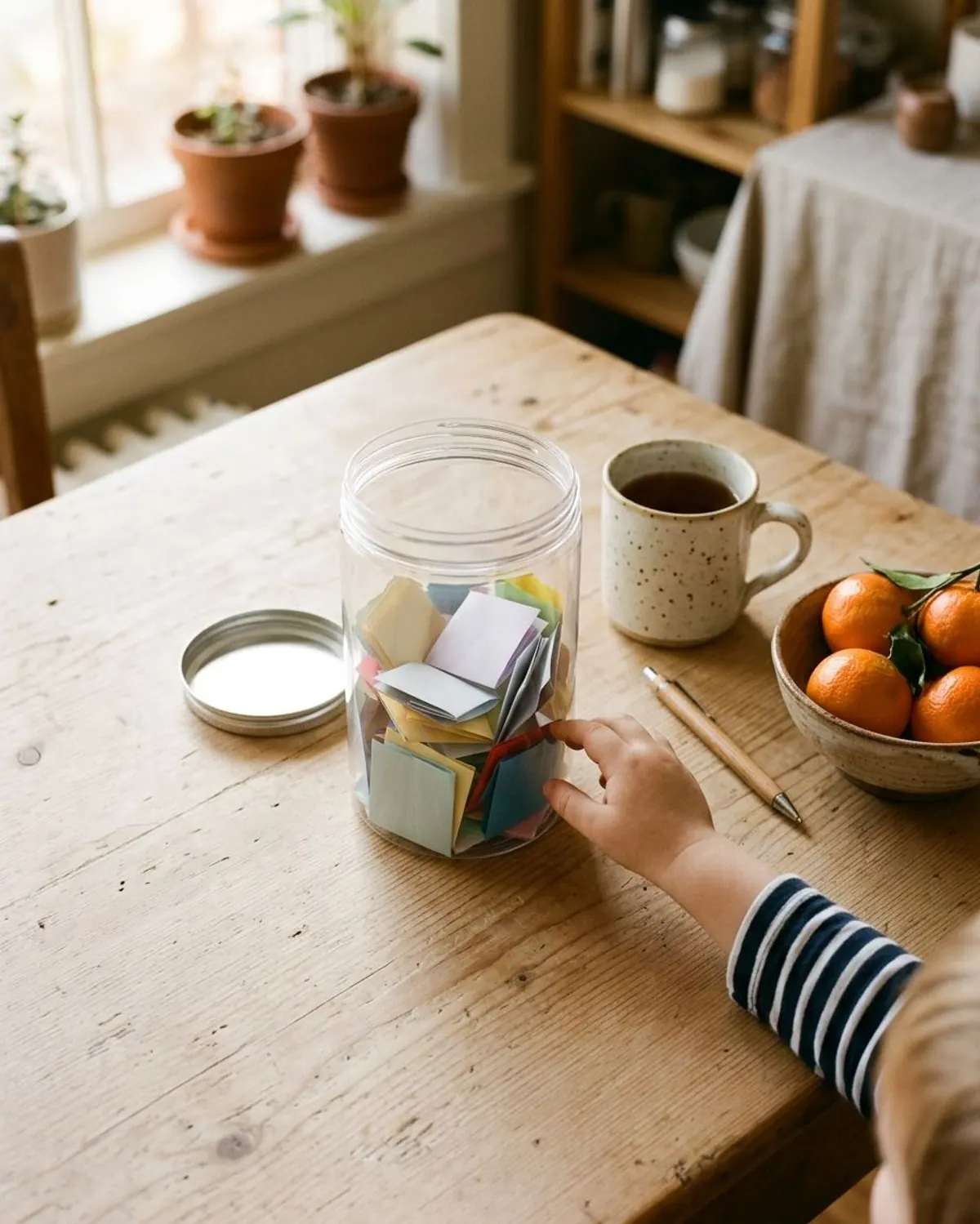
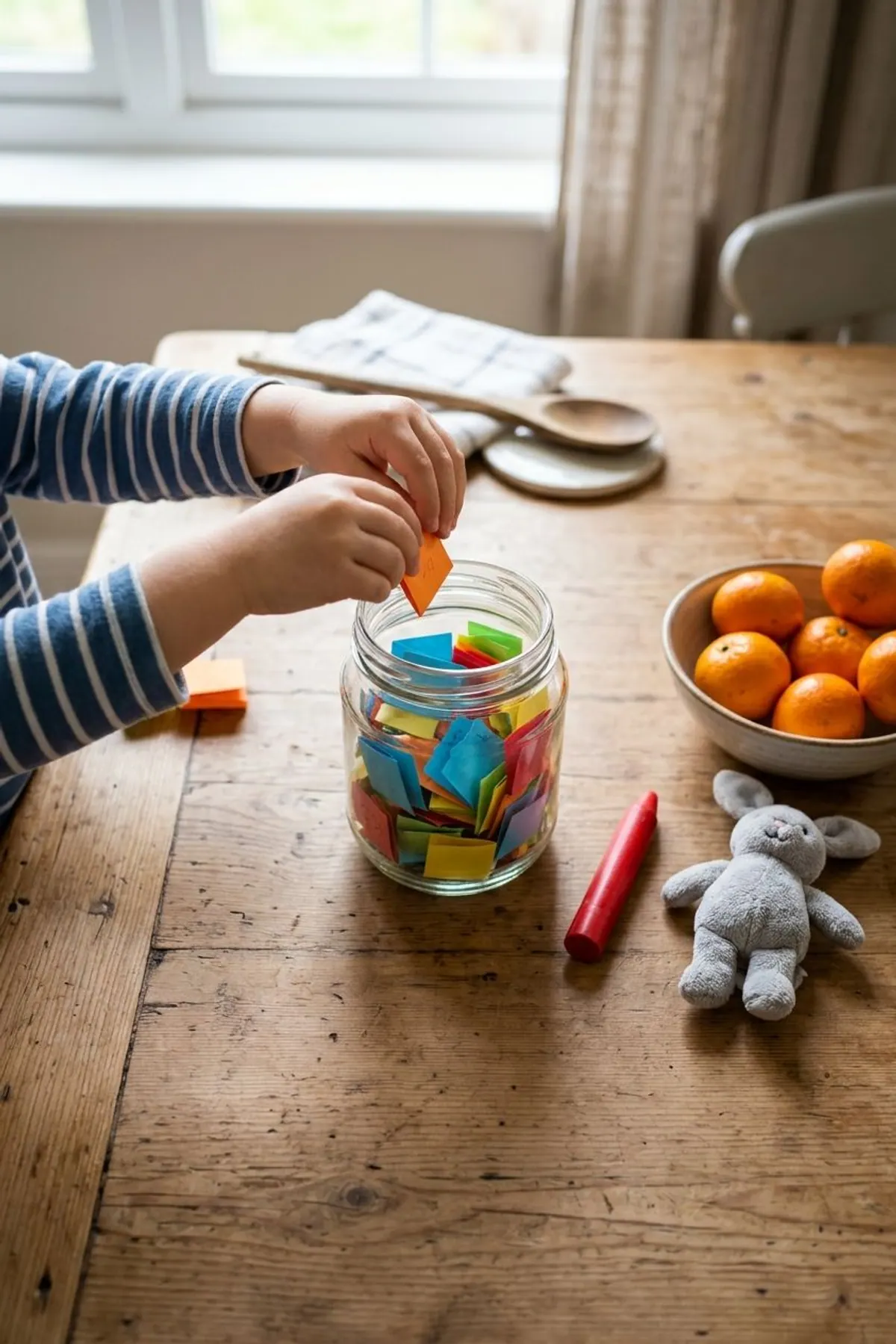
Set out a plastic jar and a pile of blank slips. Your child tells you one thing they are thankful for, you write it down, and they drop it in the jar. At the end of the week, pull out three slips and read them together.
Ages: 4 to 8
Prep: 3 minutes
Mess: None
Supplies: a plastic or paper jar, blank paper slips, a pen
Safety: use a plastic jar for kids under 5, keep pens capped, and keep the slips on paper only. Do not use beads or buttons.
- Read the slips on Sunday night as a family.
Safe for small hands and easy to see through.
7Thankful charades

Act out something you are thankful for without words: hugging a grandparent, eating dinner, riding a bike. The others guess, then say why it matters. Little kids can use sounds and big movements, and older kids can add a clue.
Ages: 4 to 8
Prep: None
Mess: None
Supplies: space to move, no supplies
Safety: clear tables and breakables and keep the game away from the kitchen. Take turns so no one is put on the spot.
- Allow a pass, since not every child likes performing.
8Gratitude scavenger hunt
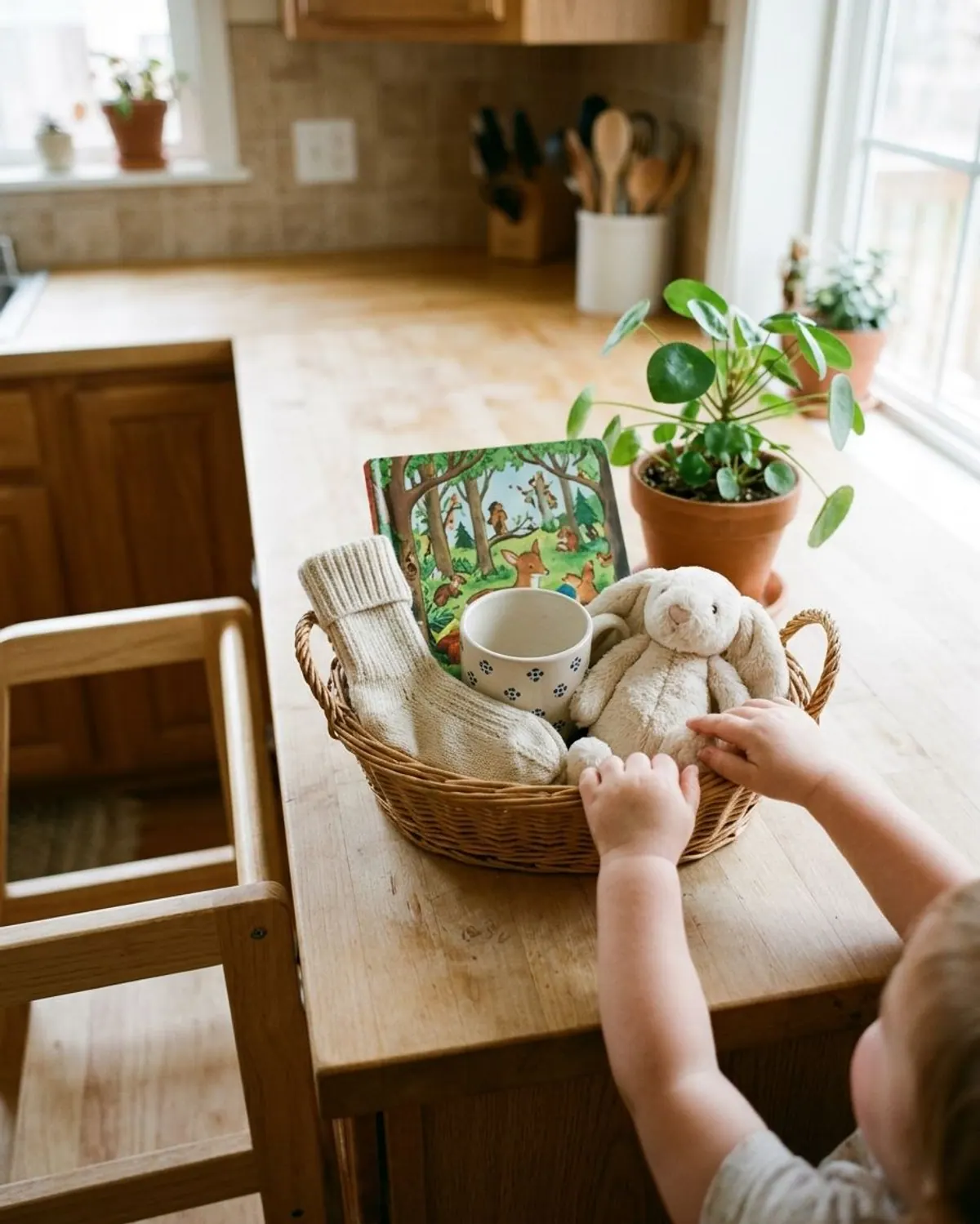
Send kids on a hunt for things that fit a feeling: something warm, something that helps you, something that smells good, something a friend gave you, something you use every day. Bring each one back and say why you are glad to have it.
Ages: 4 to 8
Prep: 3 minutes
Mess: None
Supplies: a basket or bag, a house to explore
Safety: set a rule that kids bring only things that are theirs or safe, nothing breakable, and an adult approves anything small or sharp.
- Ask the child to find one item that belongs to someone else in the family.
Gratitude Activities for Ages 6 to 8
Older kids can handle talk about feelings and take on a role. These work well at the table, on a long drive or with cousins on Thanksgiving.
9Thankful alphabet game
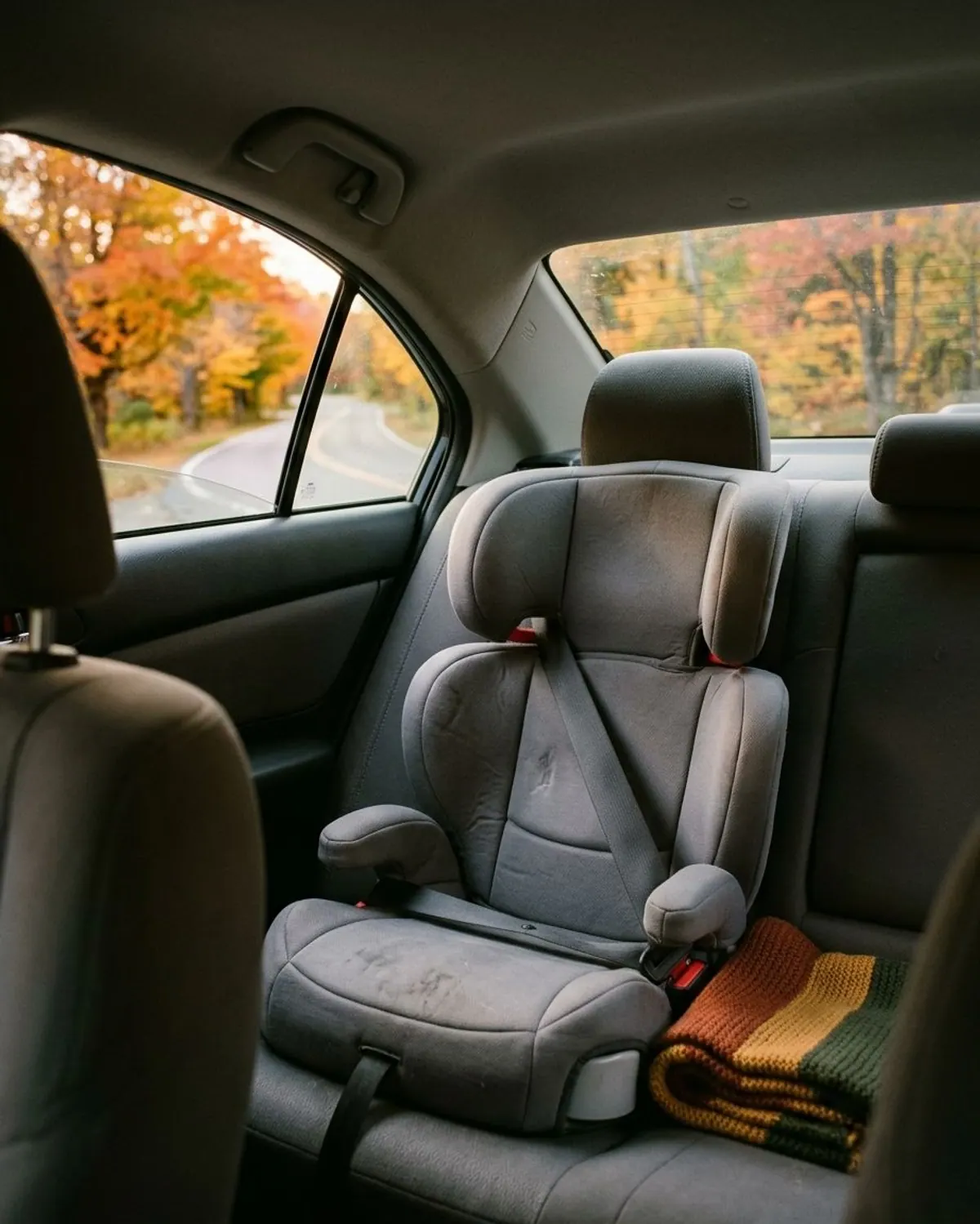
Go around the circle through the alphabet, naming something you are thankful for that starts with each letter: A is apples, B is blankets, C is cousins. Skip a tough letter like X, or let a team call out an answer. It is a favorite car ride and waiting game.
Ages: 5 to 8
Prep: None
Mess: None
Supplies: nothing, just voices
Safety: keep it to words that start with a letter in a car, with no distractions for the driver, and let older kids use a hint.
- Give a three-second countdown for each letter to keep it moving.
10Rose, bud, thorn at dinner
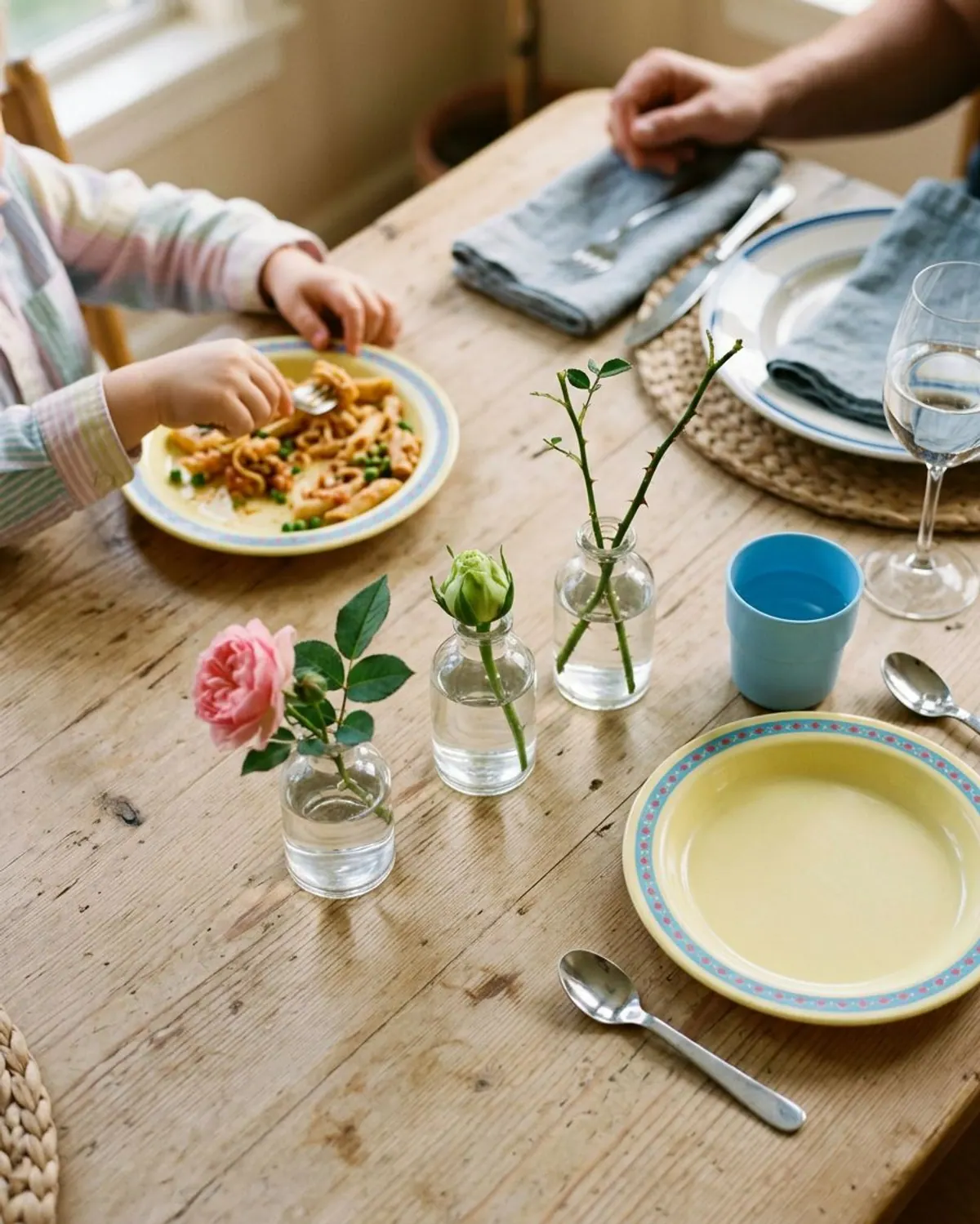
At dinner, each person shares a rose (the best part of the day), a bud (something to look forward to) and a thorn (something hard). It makes room for real feelings while still ending on gratitude. Show the pattern first with your own answers.
Ages: 6 to 8
Prep: None
Mess: None
Supplies: a table, three small vases or three fingers
Safety: never push a child to share a thorn. Let them say "pass" and move on, and keep it kind.
- Let the youngest go first so they can follow the pattern.
11Appreciation spotlight
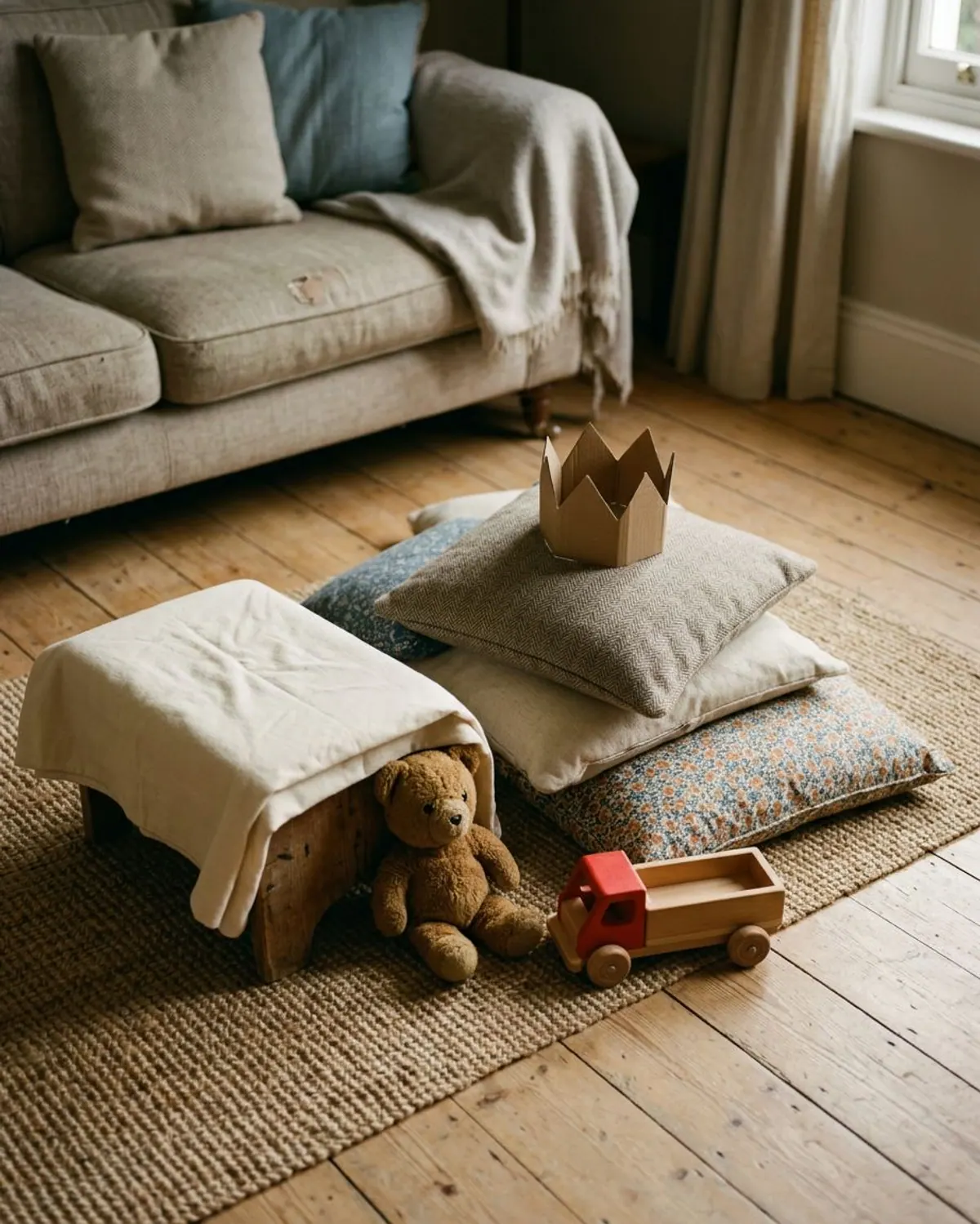
Pick one person to sit in the "spotlight chair" for a minute while everyone else says one thing they appreciate about them. Rotate until each has had a turn. It is a good Thanksgiving or birthday ritual and works with cousins and grandparents.
Ages: 6 to 8
Prep: 2 minutes
Mess: None
Supplies: a chair, a timer, a small lamp
Safety: keep comments kind and specific, and stop anyone who teases. Use an LED lamp only, never a candle.
- Ask for details: "I like how you share your snacks."
12Pay-it-forward kindness card
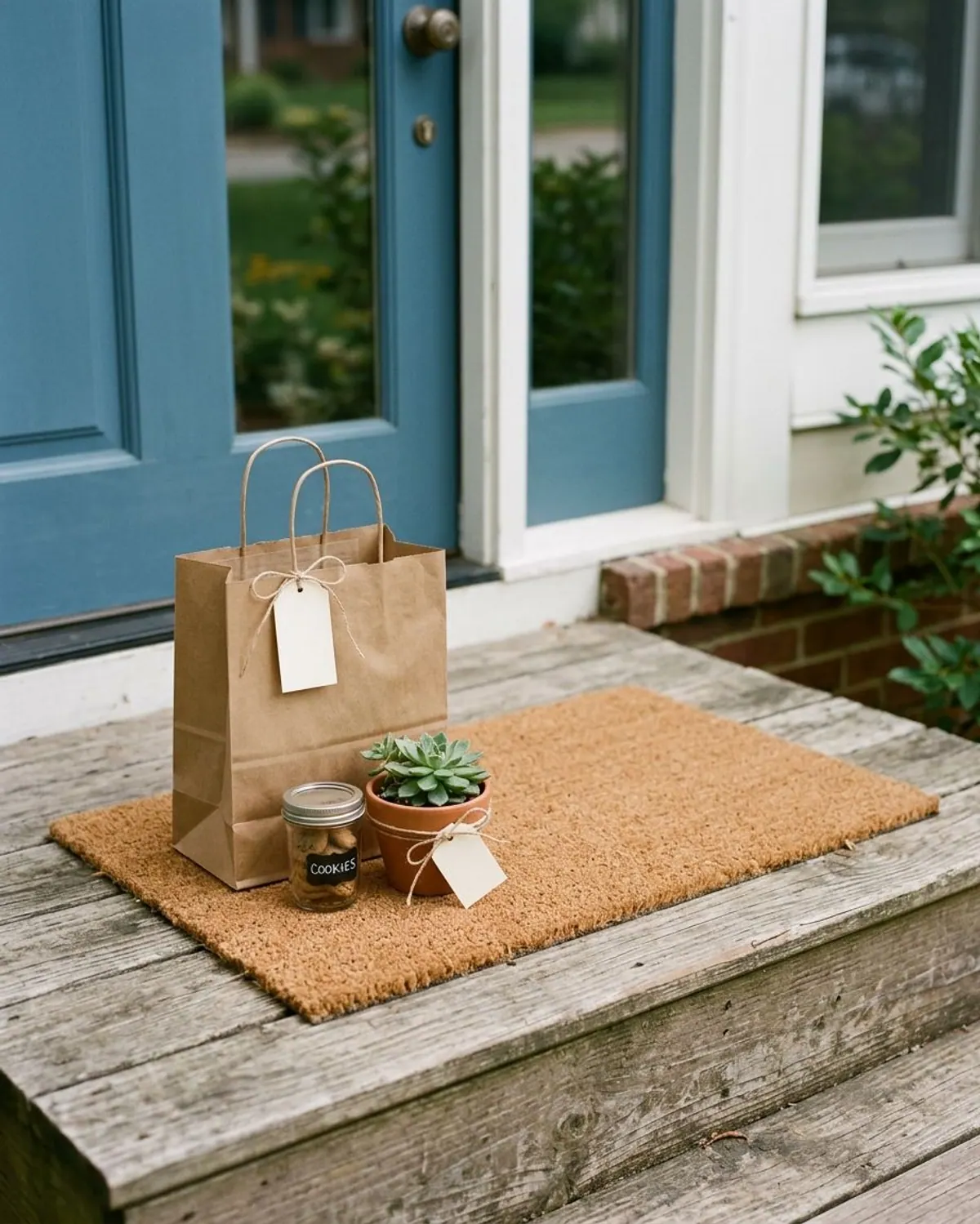
Pick one kind thing to do for someone who helped you this week: leave a thank-you note on a neighbor's door, tell a teacher you liked class, or bring cookies to a helper. Kids choose the person and the plan, and you help carry it out.
Ages: 5 to 8
Prep: 5 minutes
Mess: None
Supplies: a kindness card or sticky note, a small gift if you want one
Safety: check food allergies before sharing any food, and let an adult go along when delivering to someone's door.
- Do the kind thing within 24 hours of choosing it.
For a quick thank-you on a gift bag.
A 7-Day Gratitude Starter Plan
If you want a simple way to begin, pick one activity a day for a week. Each takes under five minutes, and you can repeat the ones your family likes.
| Day | Activity | When |
|---|---|---|
| Monday | Thank-you walk (1) or I spy something thankful (5) | After school |
| Tuesday | Gratitude jar without writing (6) | Before dinner |
| Wednesday | Thankful alphabet game (9) | Car ride |
| Thursday | Rose, bud, thorn at dinner (10) | Thanksgiving table |
| Friday | Gratitude scavenger hunt (8) | Midday |
| Saturday | Pay-it-forward kindness card (12) | Weekend morning |
| Sunday | Three good things at bedtime (4) | Bedtime |
| Activity | Ages | Prep | Mess |
|---|---|---|---|
| Thank-you walk | 2 to 3 | 1 minute | None |
| Wave-and-thank helper hunt | 2 to 4 | 1 minute | None |
| Thank-you while you tidy | 2 to 3 | None | None |
| Three good things at bedtime | 2 to 8 | None | None |
| I spy something I'm thankful for | 4 to 8 | None | None |
| Gratitude jar without writing | 4 to 8 | 3 minutes | None |
| Thankful charades | 4 to 8 | None | None |
| Gratitude scavenger hunt | 4 to 8 | 3 minutes | None |
| Thankful alphabet game | 5 to 8 | None | None |
| Rose, bud, thorn at dinner | 6 to 8 | None | None |
| Appreciation spotlight | 6 to 8 | 2 minutes | None |
| Pay-it-forward kindness card | 5 to 8 | 5 minutes | None |
Keep Gratitude Time Safe and Kind
Most of these games need no supplies, but the jar and scavenger hunt use small items. The US Consumer Product Safety Commission has small parts rules for toys for children under 3, and the toilet paper tube is a handy home check. If it fits through, keep it away from the youngest. This page is not safety certification, so use your own judgment for your child.
Before you start
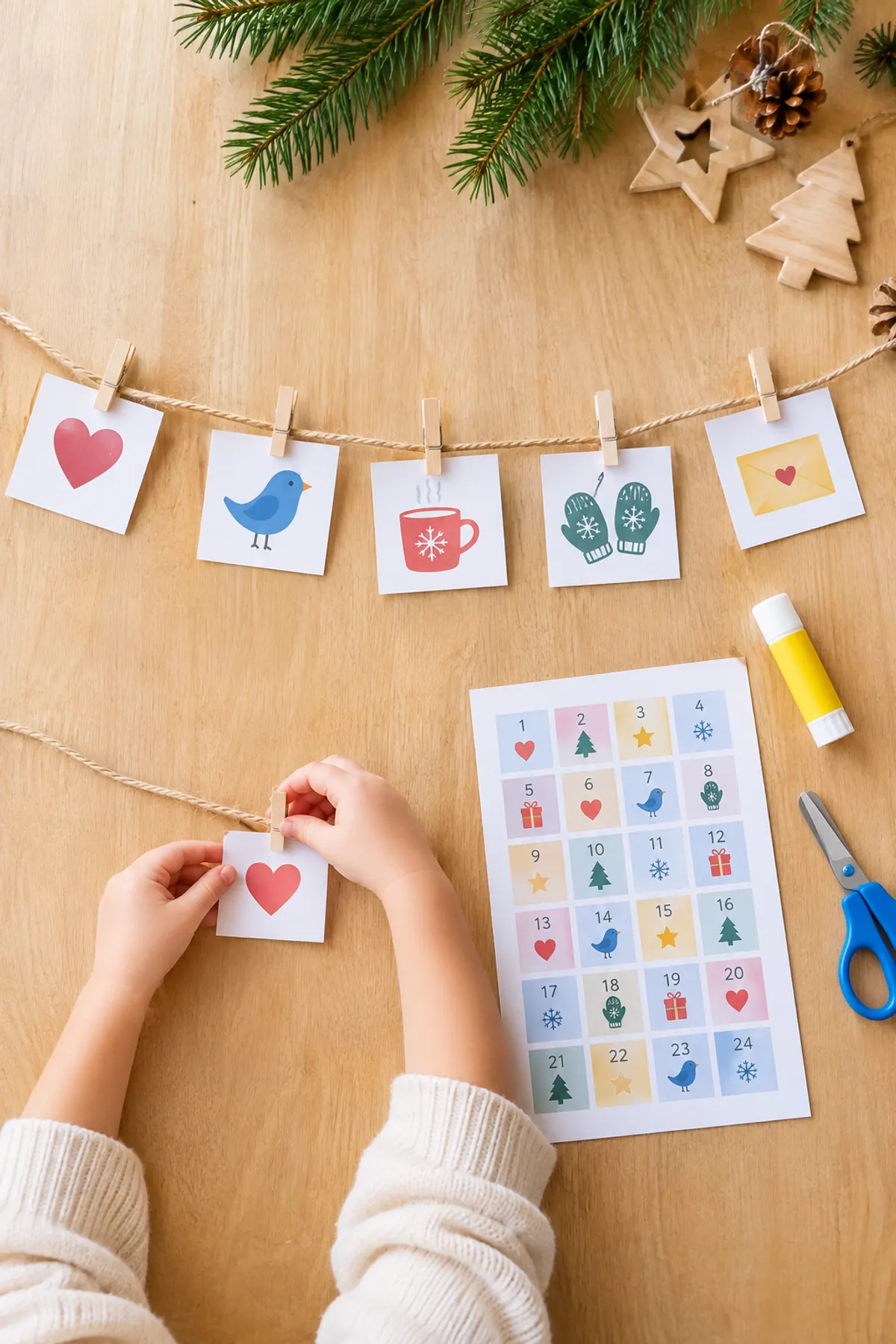
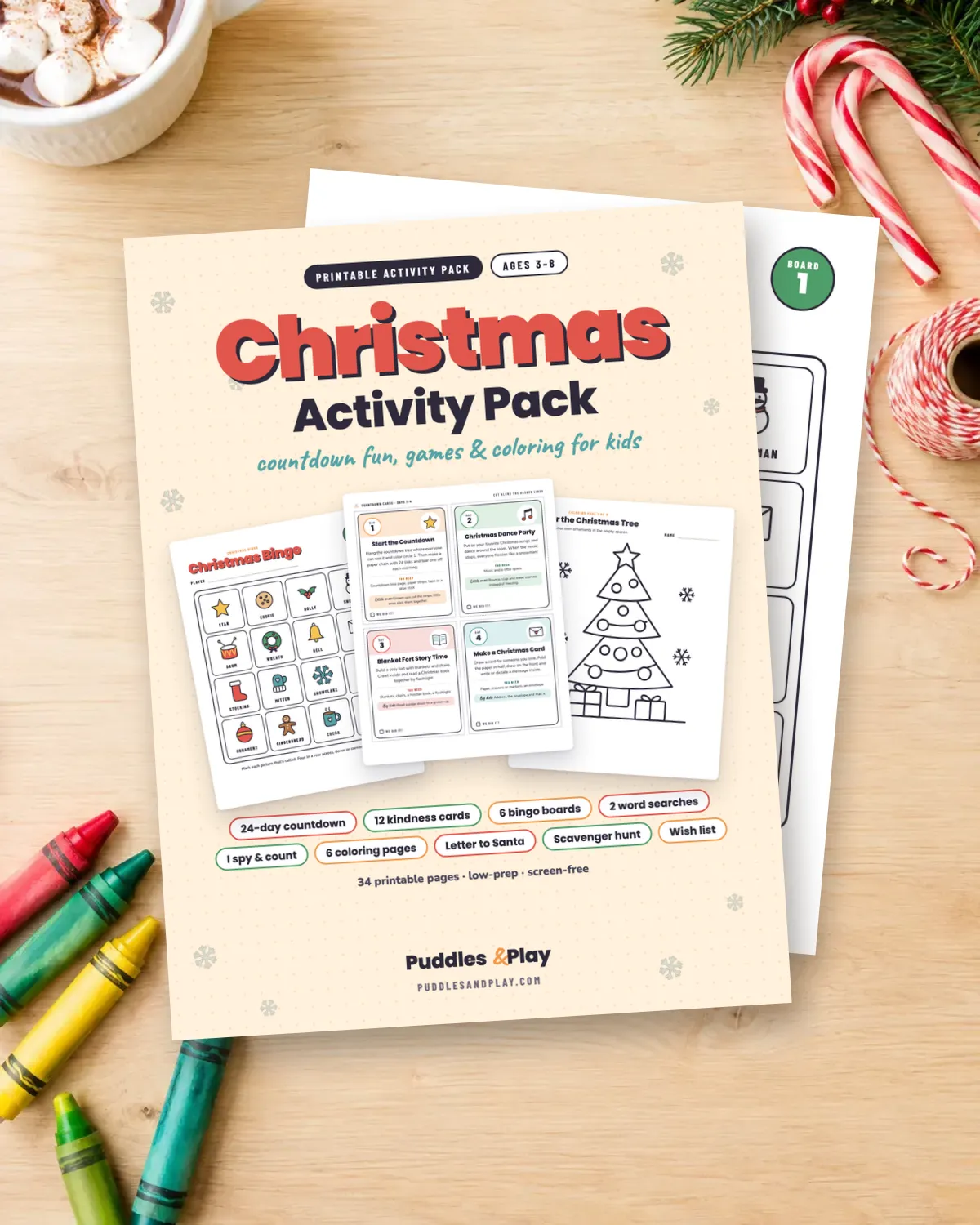
If your family likes to make things, see our Thanksgiving crafts for kids. To keep kids busy while dinner cooks, try Thanksgiving activities for kids at home. For the next season, the Christmas Activity Pack has 12 kindness cards and a wreath tracker, and our free kindness advent calendar cards are a good start.
Supplies for gratitude activities
-
Plastic storage jar with lid
Typically $8 to $14
For the gratitude jar.
Check price on Amazon for Plastic storage jar with lid -
Colored index cards
Typically $4 to $8
Slips for the jar and rose, bud, thorn cards.
Check price on Amazon for Colored index cards -
Blank gift tags
Typically $5 to $9
For the pay-it-forward thank-you.
Check price on Amazon for Blank gift tags -
Small notebook
Typically $5 to $10
A simple bedtime log of good things.
Check price on Amazon for Small notebook -
LED battery lamp
Typically $10 to $20
A safe light for the spotlight chair.
Check price on Amazon for LED battery lamp
Frequently asked questions
What are good gratitude activities for kids?
Simple ones work best: a thank-you walk, a bedtime routine of three good things, a game of I spy something thankful, a jar where you add one slip a day and a dinner table share such as rose, bud, thorn.
How do you teach gratitude to a toddler?
Model it. Say thank you out loud to people, toys and places, and let your toddler copy. Keep it to one minute and skip the lecture.
What are gratitude activities for preschoolers?
Gratitude I spy, charades, a gratitude jar where you write down their words and a scavenger hunt for things that make them feel warm or glad all suit ages 4 to 5.
How do I teach gratitude without crafts?
Use conversation, games and routines: a bedtime question, a car game, a dinner share or an act of kindness. They need no supplies and fit into busy days.
What if my child says they have nothing to be thankful for?
Start smaller. Ask about people, food, pets or a favorite spot, and offer choices. Do not push, and try again at a calm time.
How often should we do gratitude activities?
A few minutes a day is enough. Pick one habit, such as bedtime or dinner, and stick with it for a week before adding another.

Save it for later
Pin this to your Learning Activities board so it's there when you need it.
Save to Pinterest