This post contains affiliate links. As an Amazon Associate we earn from qualifying purchases, at no extra cost to you. Read our disclosure.
Safety first: Always supervise little ones, and skip small parts for kids who still put things in their mouths. Please read our play safety notes before you start.
Key takeaways
- Puffing is trapped steam: too hot an oven, self-rising flour or dough thicker than 1/4 inch.
- Cracks come from uneven drying: dry dough, no kneading, uneven thickness or heat that is too fast.
- Dry at 200 to 250°F and use the tap test: hard and hollow means done.
- A cracked ornament can be filled with craft glue and painted over.
- Salt dough is not food and can poison dogs, so hang ornaments high.
In this post9 sections
- Why Do Salt Dough Ornaments Puff Up?
- Why Do Salt Dough Ornaments Crack?
- Why Do Salt Dough Ornaments Break Later?
- How Long to Dry Salt Dough Ornaments
- How to Fix a Cracked Salt Dough Ornament
- Salt Dough Cracking Myths and Facts
- Salt Dough Safety: Not Food, and Keep It Away from Dogs
- More Salt Dough and Handprint Craft Ideas
- FAQ
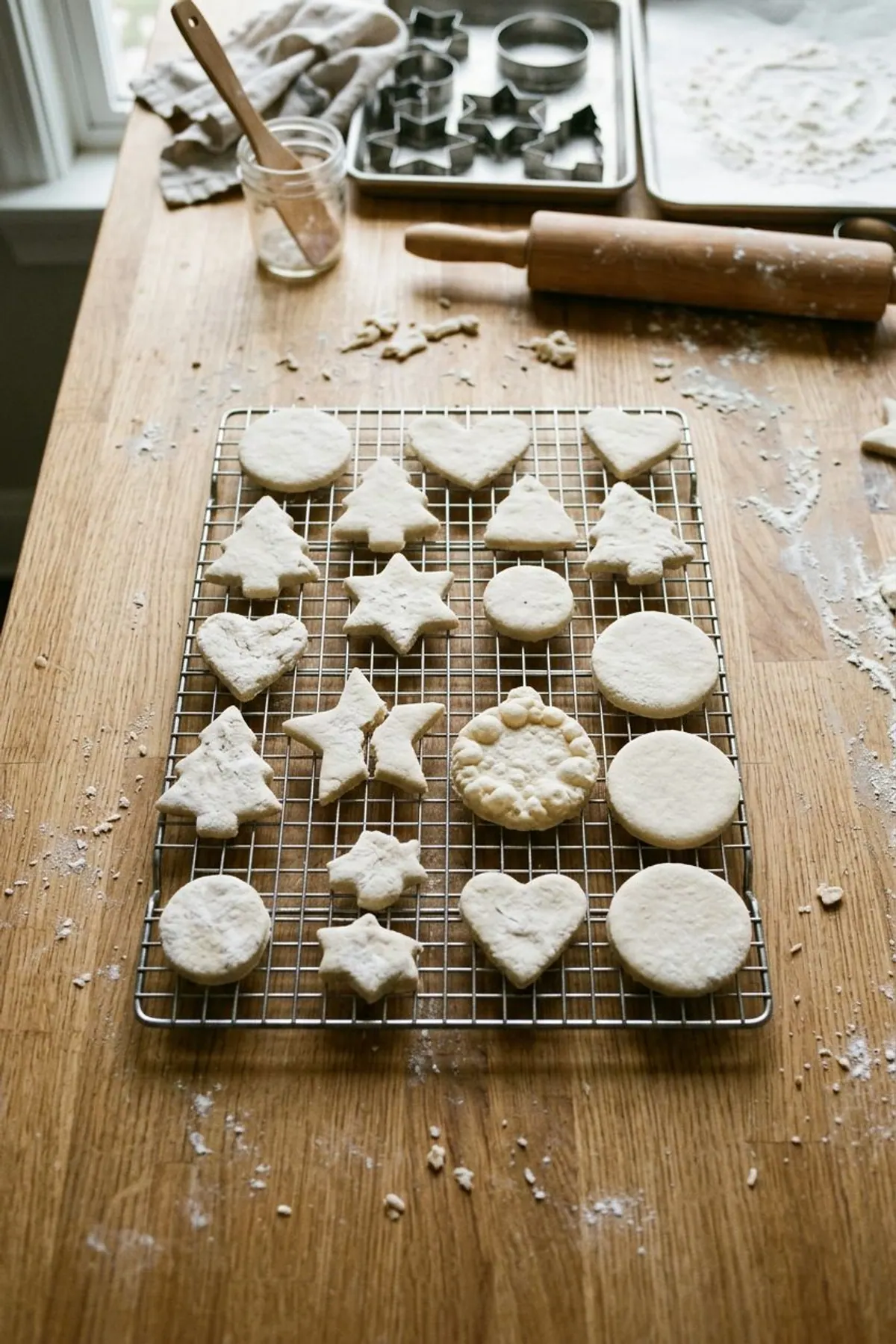
Salt dough ornaments crack or puff up for a short list of reasons: the oven was too hot, the dough was rolled too thick or too uneven, the dough was too dry or not kneaded, or the pieces dried too fast. Most of these are fixed by drying low and slow and rolling an even 1/4 inch. If you still need the recipe, start with our salt dough ornaments how-to.
| Question | Short answer |
|---|---|
| Why did mine puff up? | Oven too hot, self-rising flour, or dough thicker than 1/4 inch |
| Why did mine crack? | Dough too dry, not kneaded, uneven thickness, or dried too fast |
| Best oven setting? | Low and slow, about 200 to 250°F (95 to 120°C) |
| Best thickness? | An even 1/4 inch (about 6 mm), or 1/2 inch for handprints |
| Can a crack be fixed? | Yes, with craft glue or a dab of fresh dough, then paint over it |
| Is it safe to eat? | No. Salt dough is not food, and it is dangerous for dogs |

Why Do Salt Dough Ornaments Puff Up?
Puffing is a steam problem. When the water inside the dough turns to steam faster than it can escape, the dough swells and bubbles. Three things cause it most often.
-
Step 1: The oven is too hot
Above about 250°F the outside sets and browns before the inside has dried, and the trapped steam blows the surface up. Bake at 200°F if you can, and expect 2 to 3 hours.
-
Step 2: The flour has a raising agent
Self-rising flour contains baking powder, so the dough rises like a cookie. Use plain all-purpose flour and check the bag before you start.
-
Step 3: The dough is thicker than 1/4 inch
A thick piece dries from the outside in, so the middle stays wet and puffs or stays soft. Roll to an even 1/4 inch, and use 1/2 inch only for handprints, with extra baking time.
Why Do Salt Dough Ornaments Crack?
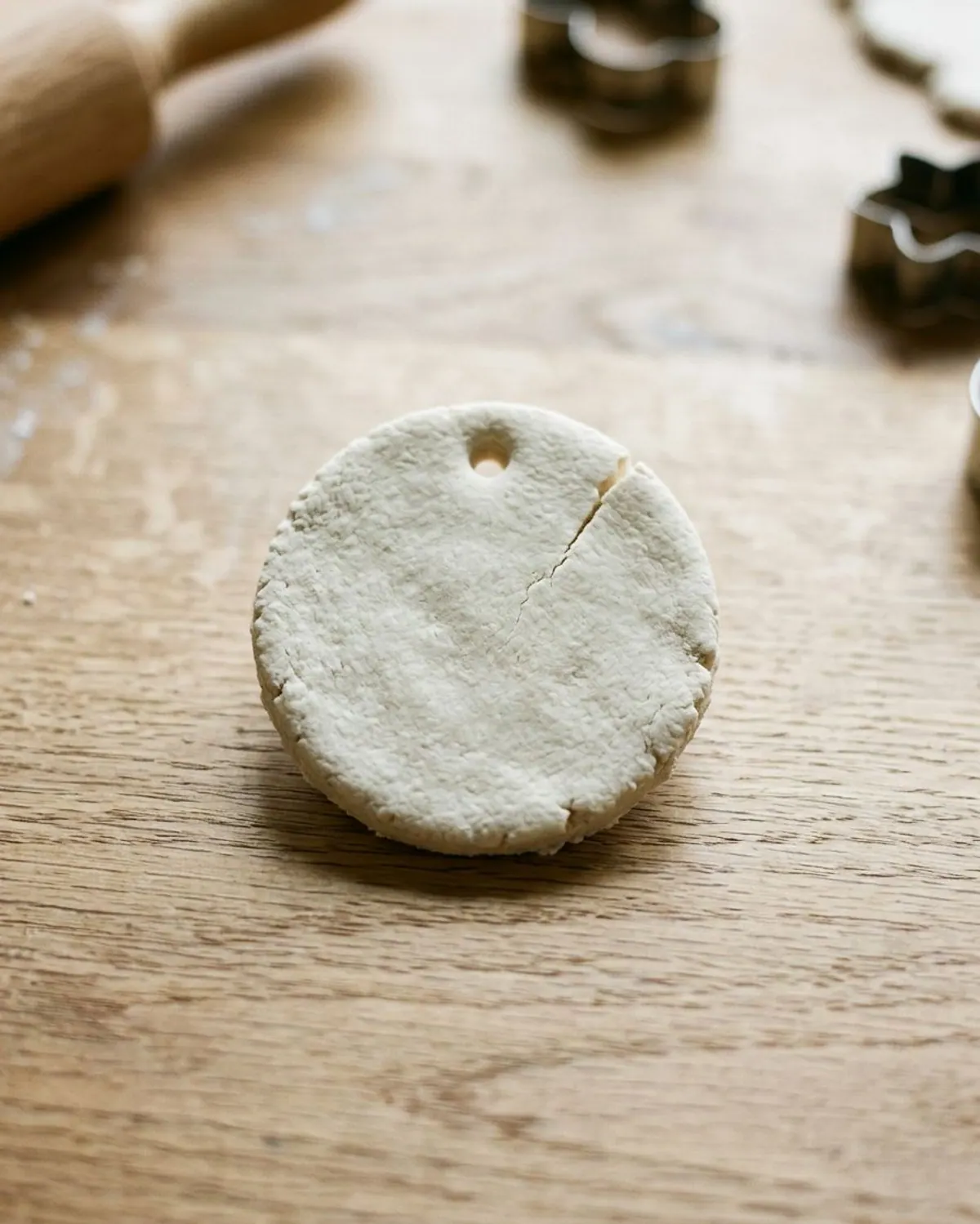
Cracks come from uneven drying, because the dough shrinks as water leaves it. Anything that makes one part dry faster than another can split the piece.
-
Step 1: The dough is too dry
Crumbly dough has no stretch, so it splits at the edges when it is cut or dried. Knead in a teaspoon of water at a time until it feels like soft clay.
-
Step 2: The dough was not kneaded enough
Under-kneaded dough has lumps and air pockets that become weak spots. Knead for 5 to 10 minutes until it is smooth.
-
Step 3: The thickness is uneven
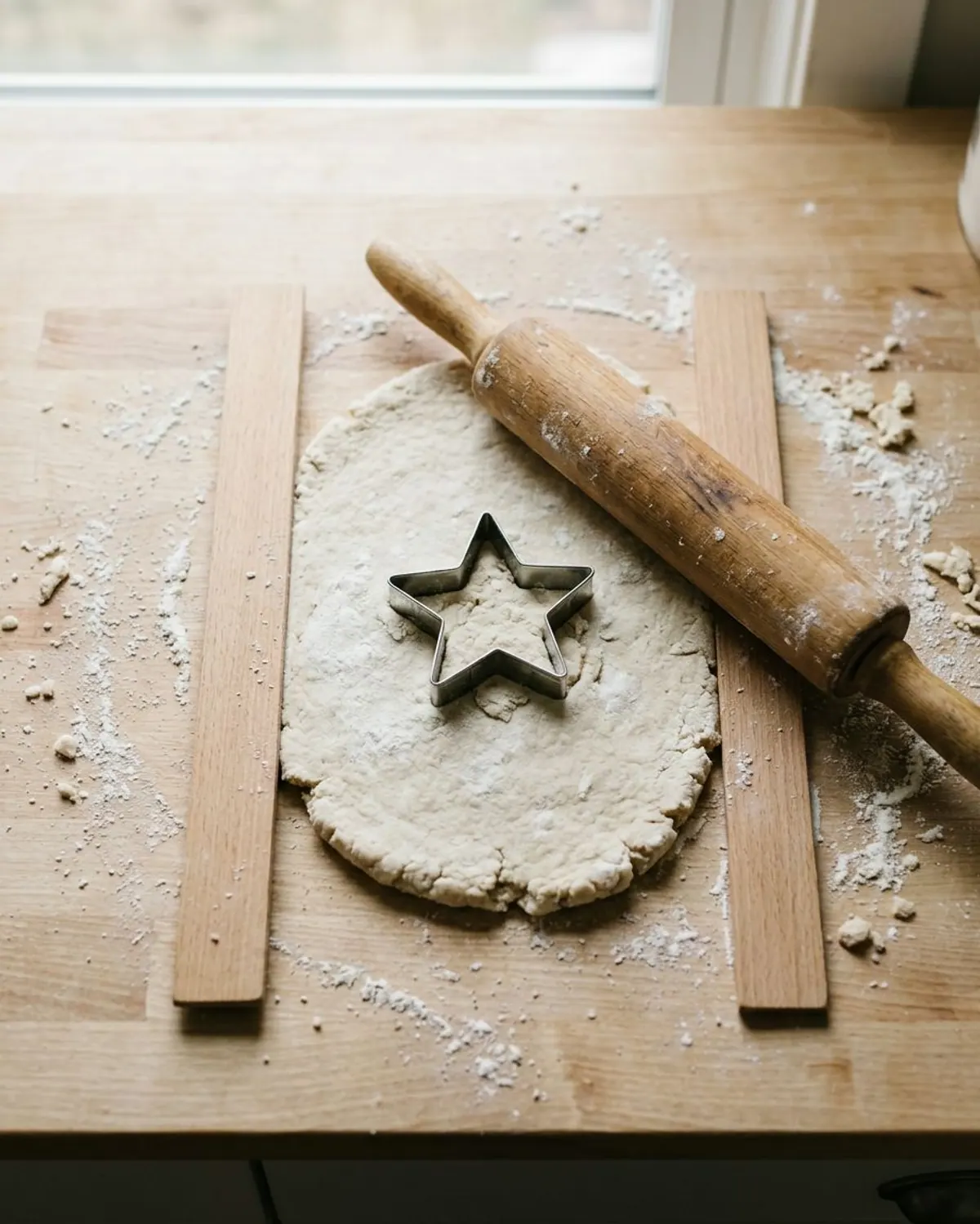
Thin edges dry first and pull away from the thick center, which makes curls and cracks. Roll between two guide strips such as chopsticks or paint stirrers so the whole piece is the same height.
-
Step 4: The ornament dried too fast
A radiator, a sunny window or a hot oven all dry the surface faster than the middle. Dry on a wire rack away from direct heat, and flip the pieces so both sides dry.
Why Do Salt Dough Ornaments Break Later?
-
Step 1: The hole is too close to the edge
A hole pushed in less than 1/2 inch from the edge snaps under the weight of a ribbon. Make the hole before drying, about 1/2 inch in, and widen it slightly because the dough shrinks.
-
Step 2: The ornament was never sealed
Salt dough soaks up moisture from the air, and then it softens and crumbles. After painting, seal every side, including the back and the edges, with a clear sealer. An adult should use any spray outdoors.
How Long to Dry Salt Dough Ornaments
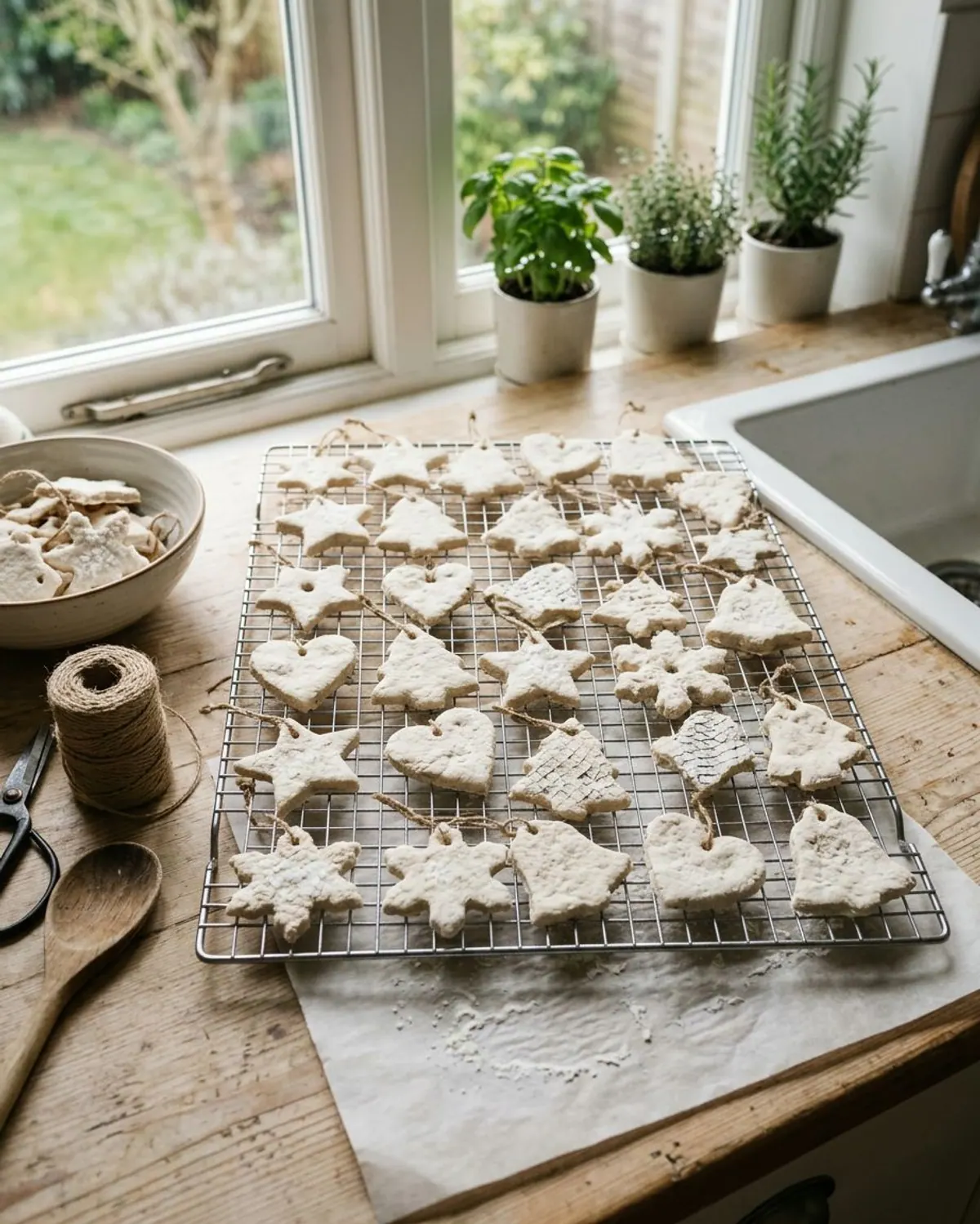
Sources disagree on exact times, so treat these as a range and use the tap test. A fully dry ornament feels hard, sounds hollow when tapped and has no cool or damp spots.
| Method | Temperature | Rough time | Notes |
|---|---|---|---|
| Oven, low | 200°F (about 95°C) | 2 to 3 hours | Least puffing; flip halfway |
| Oven, standard | 250°F (about 120°C) | About 1 to 2 hours | Faster; watch for browning |
| Air dry | Room temperature | Several days, up to a week | Flip once a day; humid weather is slower |
| Air dry, then bake | Overnight, then 200 to 250°F | Shorter bake | Helps thick pieces and handprints |
How to Fix a Cracked Salt Dough Ornament
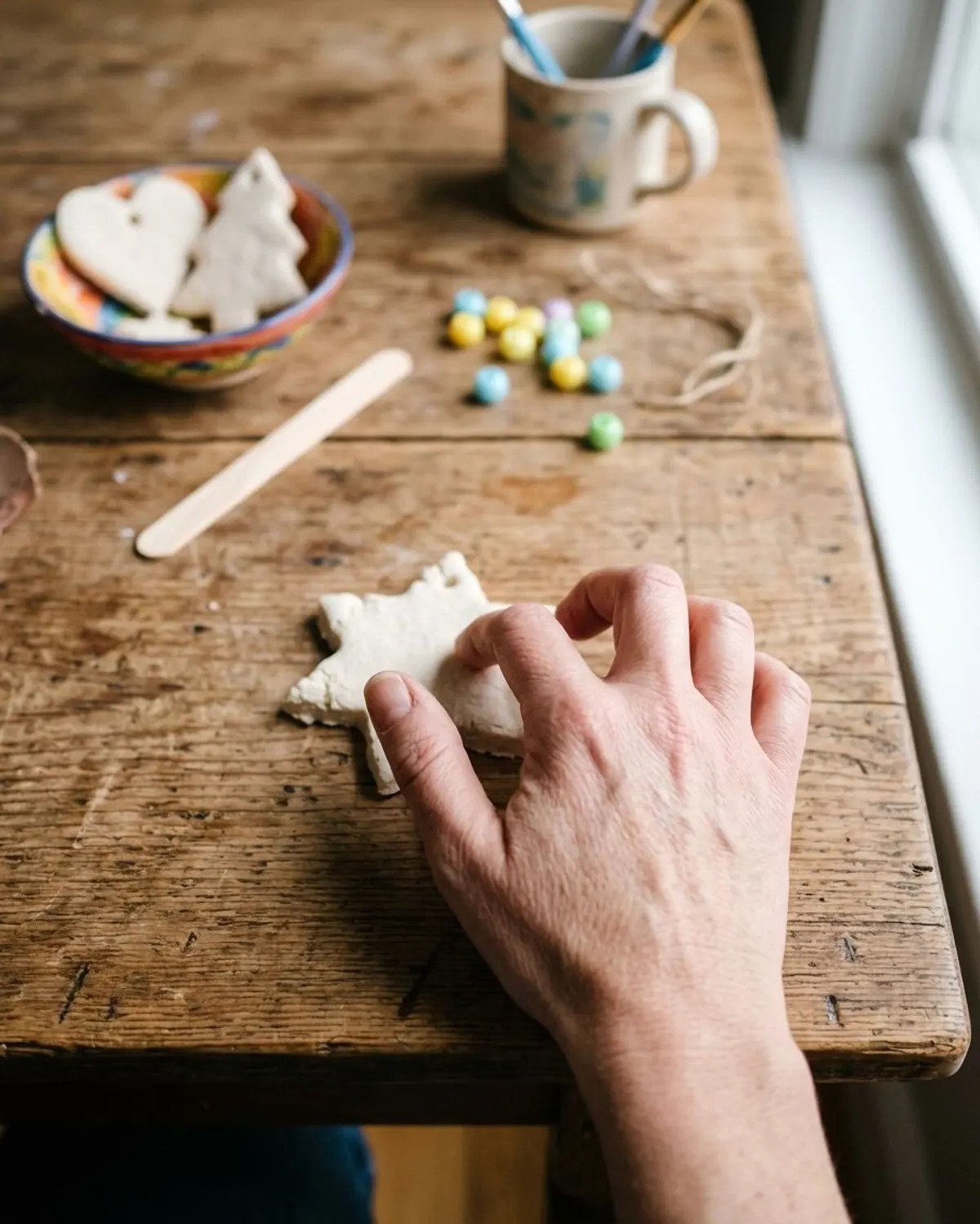
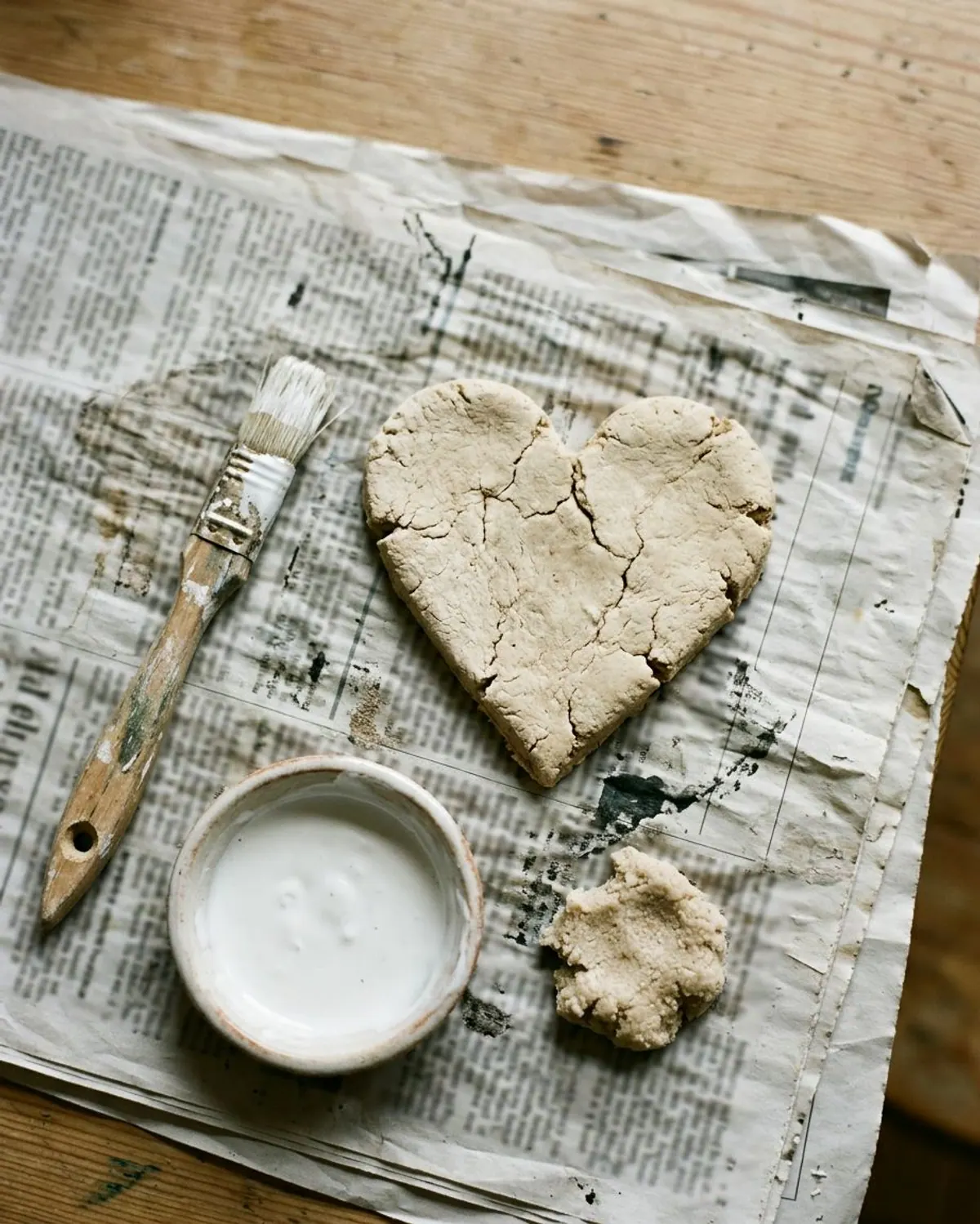
A hairline crack is easy to repair, and a painted ornament usually hides it. A wide split or a snapped piece needs a bit more work.
-
Step 1: Clean and fill the crack
Brush off dust, then press craft glue into a hairline crack, or mix a small ball of fresh dough with a little glue and push it in. Scrape off the extra.
-
Step 2: Dry, paint and seal
Let the patch harden for several hours, paint over it, then seal every side.
Salt Dough Cracking Myths and Facts
Reality
- Low and slow drying prevents most puffing
- An even 1/4 inch matters more than the exact recipe
- A cracked ornament can be glued and painted
- Sealing both sides keeps ornaments hard for years
- Humid weather makes air drying take longer, not fail
Myth
- A hotter oven dries ornaments better
- Self-rising flour makes sturdier ornaments
- Thicker ornaments last longer
- Cracks mean the ornament is ruined
- Paint alone protects them
Salt Dough Safety: Not Food, and Keep It Away from Dogs
Pets are at risk too. The ASPCA and the American Animal Hospital Association warn that salt dough ornaments can poison dogs, so hang them high on the tree and keep leftover dough in a sealed container.
Small ornaments and beads, glitter and sprinkles are choking hazards for children under 3, so skip them or keep them for older kids with an adult nearby.

More Salt Dough and Handprint Craft Ideas
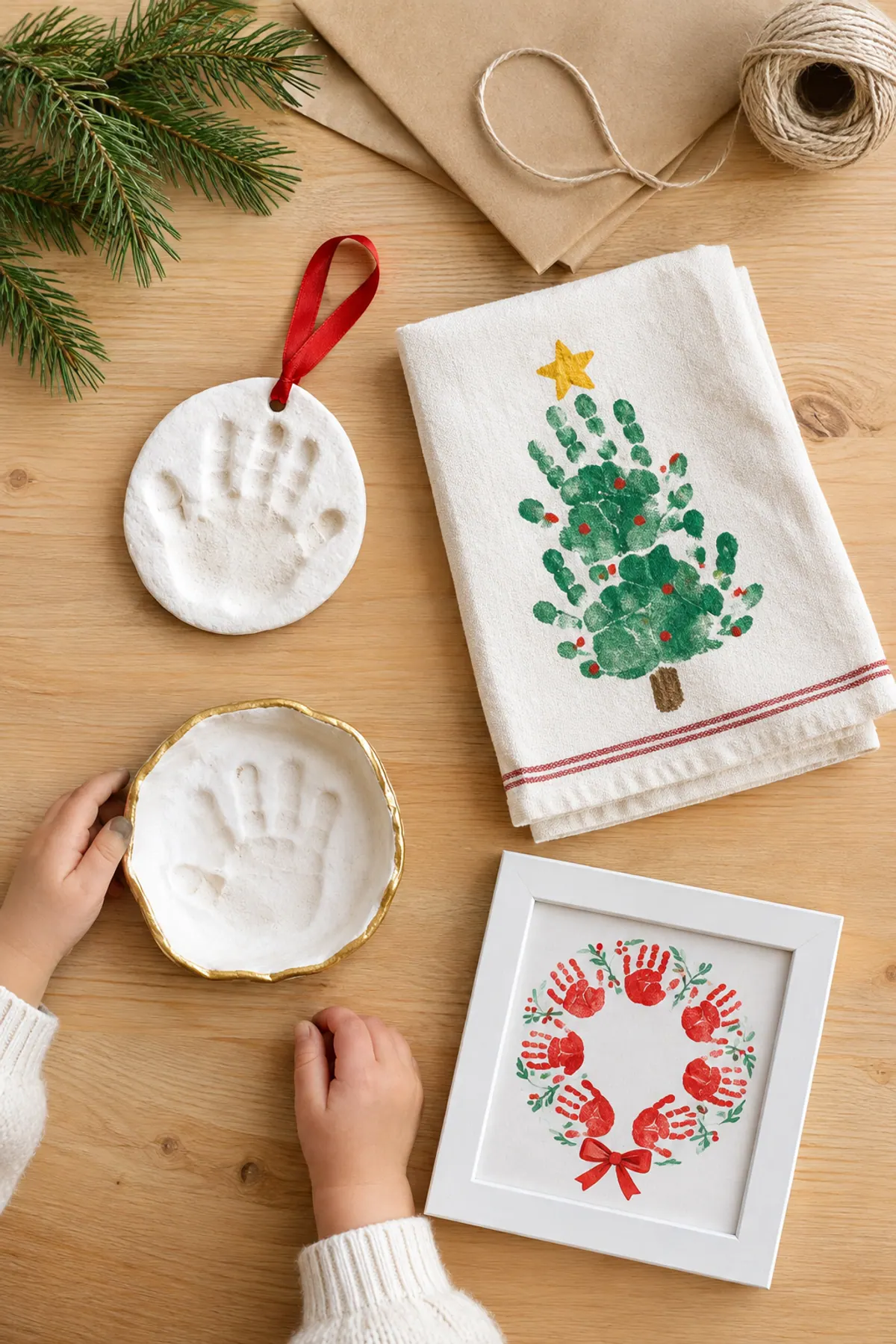
If you are planning a whole craft day, our handprint Christmas crafts, Christmas crafts by age and handprint gifts for grandparents all work with salt dough.
Salt dough ornament supplies
-
Wire cooling racks
Typically $8 to $15
Lets air reach both sides so ornaments dry evenly.
Check price on Amazon for Wire cooling racks -
Rolling pin guide strips
Typically $6 to $12
Keeps dough at an even 1/4 inch.
Check price on Amazon for Rolling pin guide strips -
Clear acrylic sealer, brush-on
Typically $5 to $10
Seals the back and edges so ornaments stay hard.
Check price on Amazon for Clear acrylic sealer, brush-on
Frequently asked questions
Why do my salt dough ornaments puff up in the oven?
Usually the oven is too hot, the flour is self-rising, or the dough is thicker than 1/4 inch. Trapped steam swells the surface. Bake at 200 to 250°F with plain flour.
Why do salt dough ornaments crack while drying?
The dough shrinks as it dries, and uneven drying splits it. Dry or crumbly dough, uneven thickness and heat that is too fast are the usual causes.
What temperature should salt dough ornaments bake at?
Low and slow, about 200 to 250°F (95 to 120°C). At 200°F expect about 2 to 3 hours for 1/4 inch pieces. Flip them halfway.
How do you fix a cracked salt dough ornament?
Brush off dust, press craft glue or a little fresh dough mixed with glue into the crack, let it dry fully, then paint over it and seal every side.
Can kids eat salt dough?
No. Salt dough is not food and has a lot of salt, and it can poison dogs. Call Poison Help at 1-800-222-1222 if a child or pet swallows any.

Save it for later
Pin this to your Holiday Crafts board so it's there when you need it.
Save to Pinterest