This post contains affiliate links. As an Amazon Associate we earn from qualifying purchases, at no extra cost to you. Read our disclosure.
Safety first: Always supervise little ones, and skip small parts for kids who still put things in their mouths. Please read our play safety notes before you start.
Key takeaways
- The free PDF has 6 US Letter pages: a 20 spot sticker chart, a 10 star chart, a weekly chart, a blank weekly chart, a reward menu and a grown-up page.
- Ages 3 to 5 start with the 10 star chart; ages 5 to 8 can use the weekly chart with up to three goals.
- Pick one small goal and choose the reward together before the first sticker.
- If a day is missed, leave the spot empty and start again tomorrow; stickers already earned stay earned.
- Small stickers are a choking hazard for children under 3, so stay close while they are used.
In this post8 sections
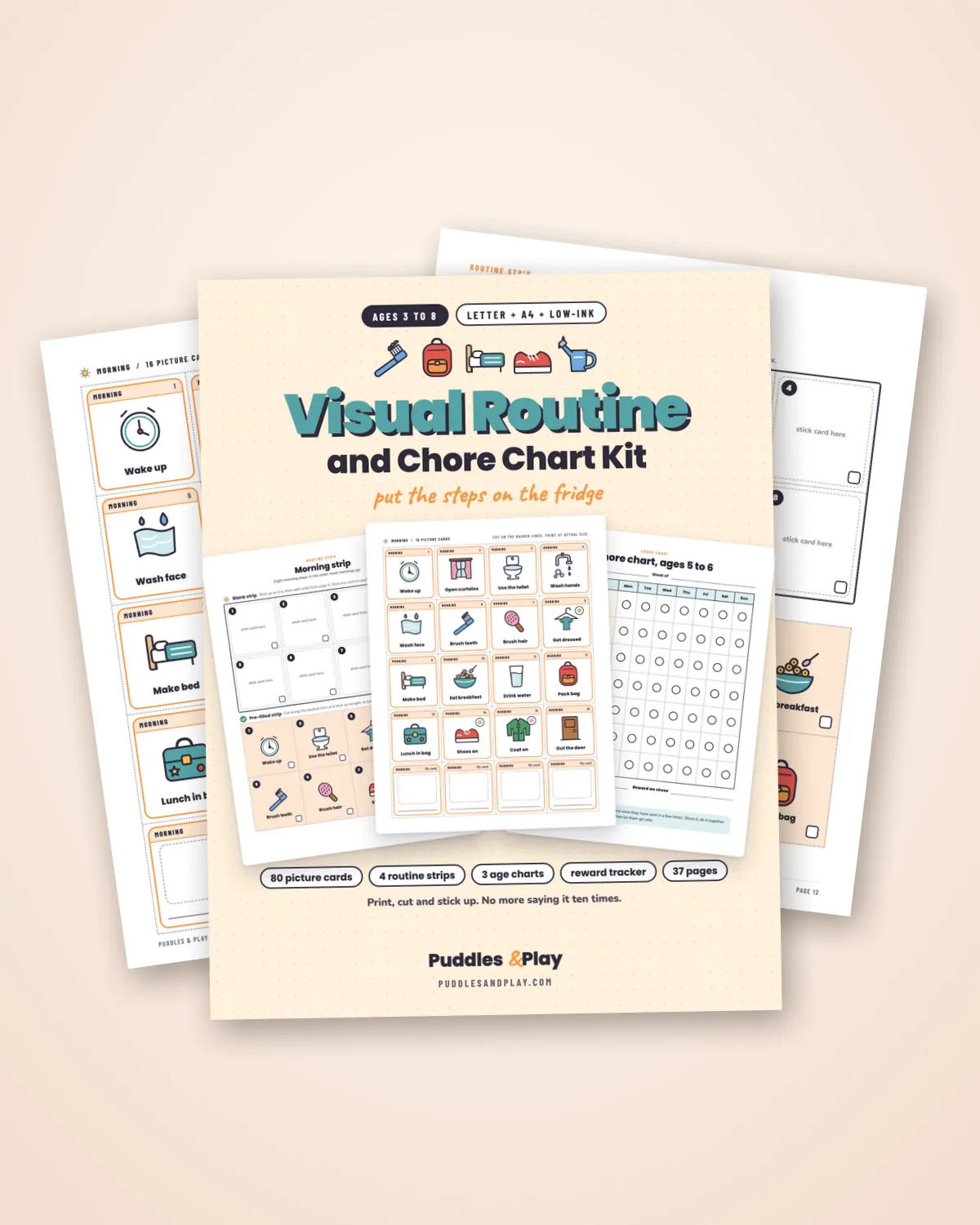
If your reward chart worked for a week and then your child stopped caring, the Visual Routine and Chore Chart Kit at $7 is built for what comes after that first week, with 80 picture cards, chore charts for ages 3 to 8 and a 30 day sticker path. The free set below is the place to start.
What is in the free reward chart PDF
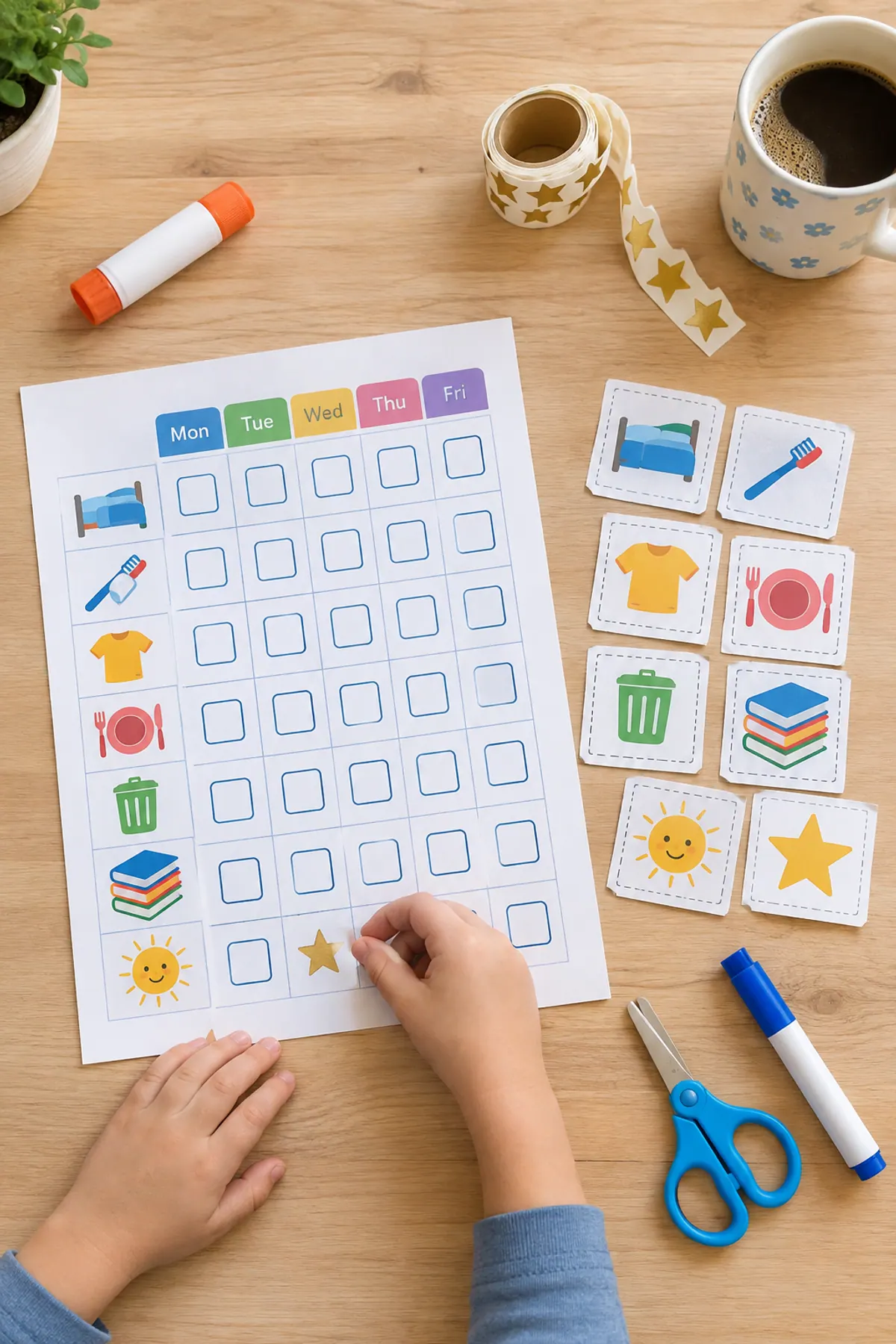
The PDF is 6 pages on US Letter. Print only the pages your child needs: a 3 or 4 year old usually does best with the star chart on page 2, and a 6 to 8 year old can use the weekly chart on page 3. Page 6 is a grown-up page with the set-up steps.
| Page | What is on it | Ages |
|---|---|---|
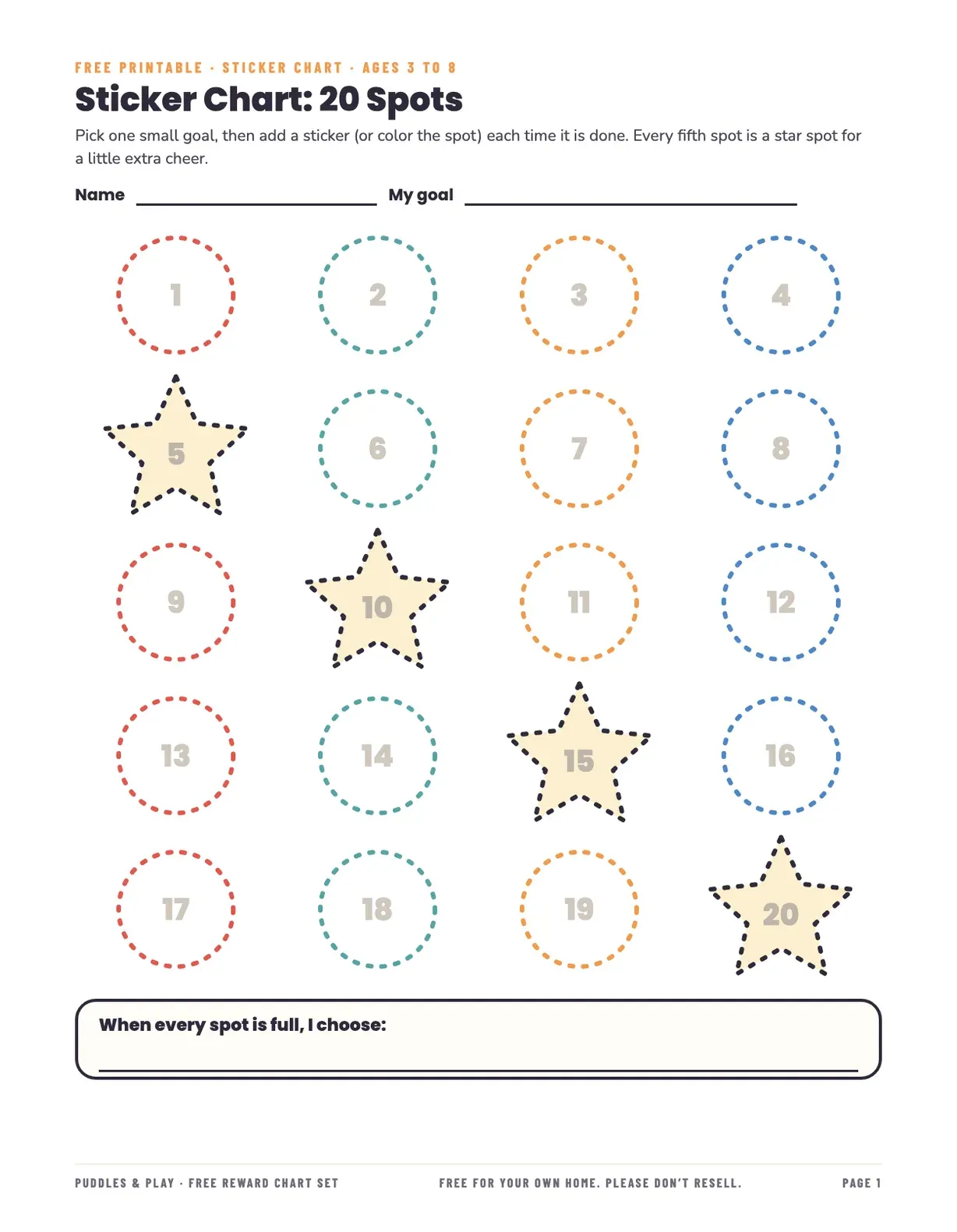
| 1 | Sticker chart with 20 spots, a star spot at every fifth one, and a line for the reward | 3 to 6 |
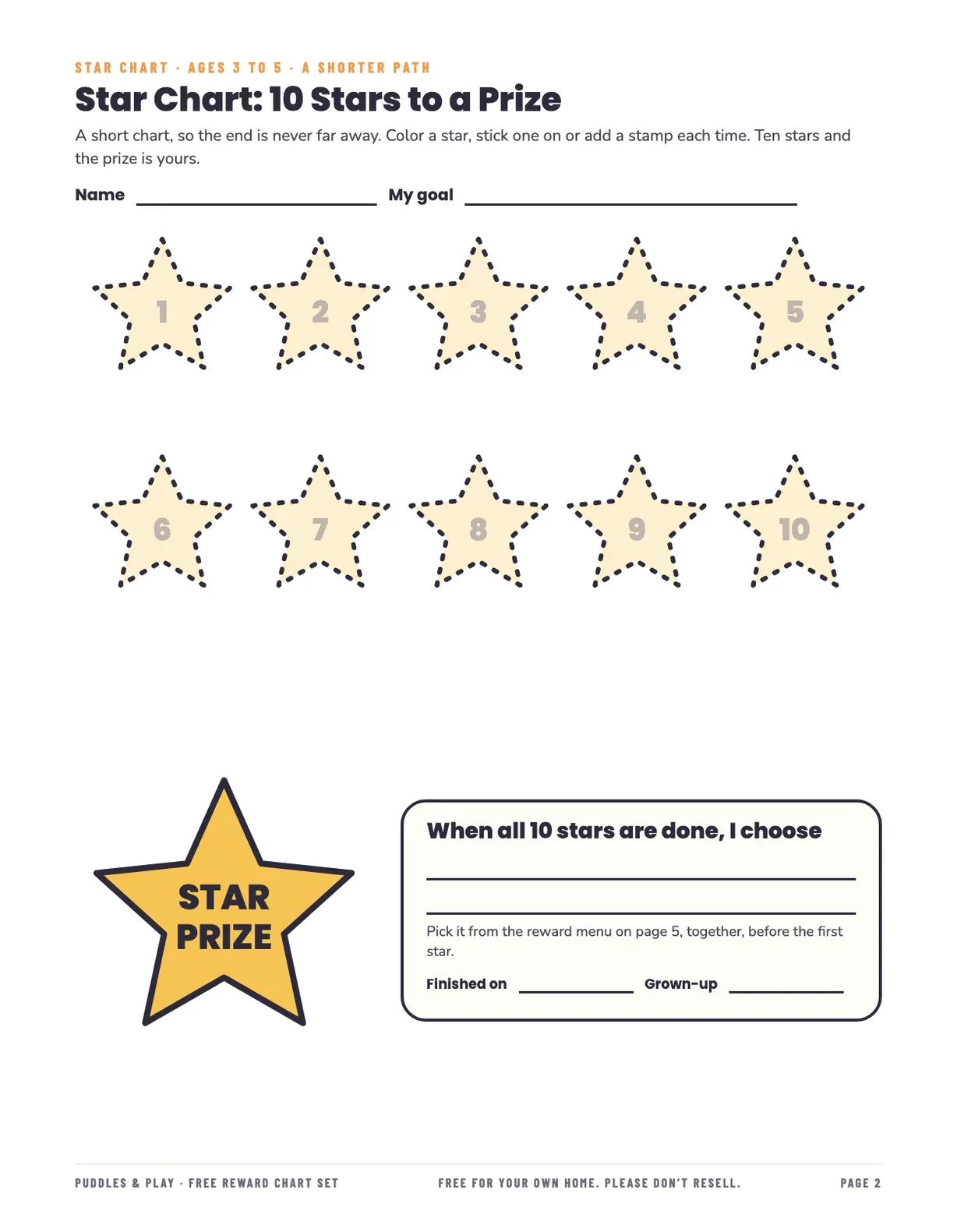
| 2 | Star chart with 10 big stars and a prize star, a shorter path for a first chart | 3 to 5 |
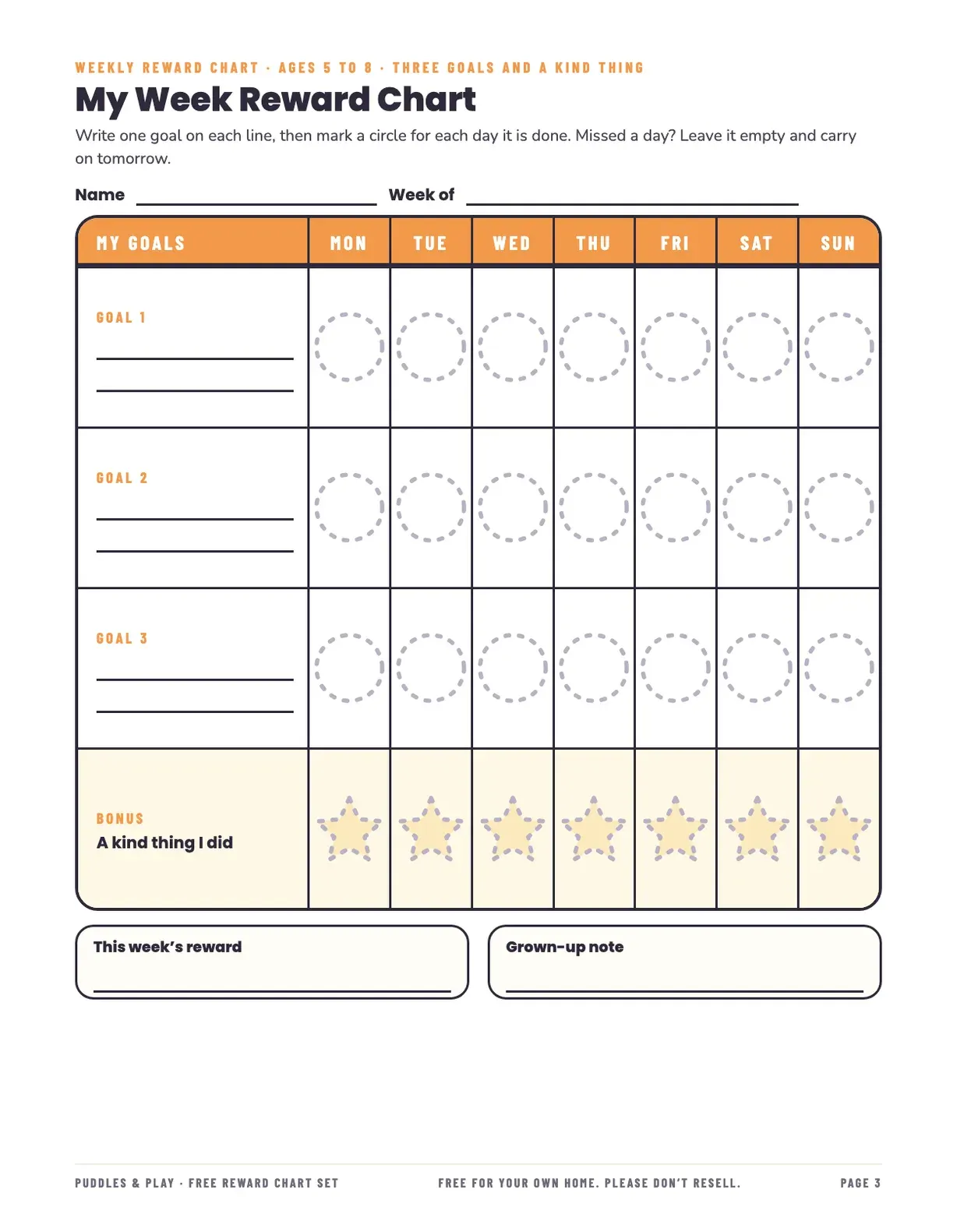
| 3 | Weekly reward chart with 3 goal lines, Monday to Sunday circles and a row for a kind thing | 5 to 8 |
| 4 | Blank weekly chart: write your own goals and day names, 6 rows | 5 to 8 |
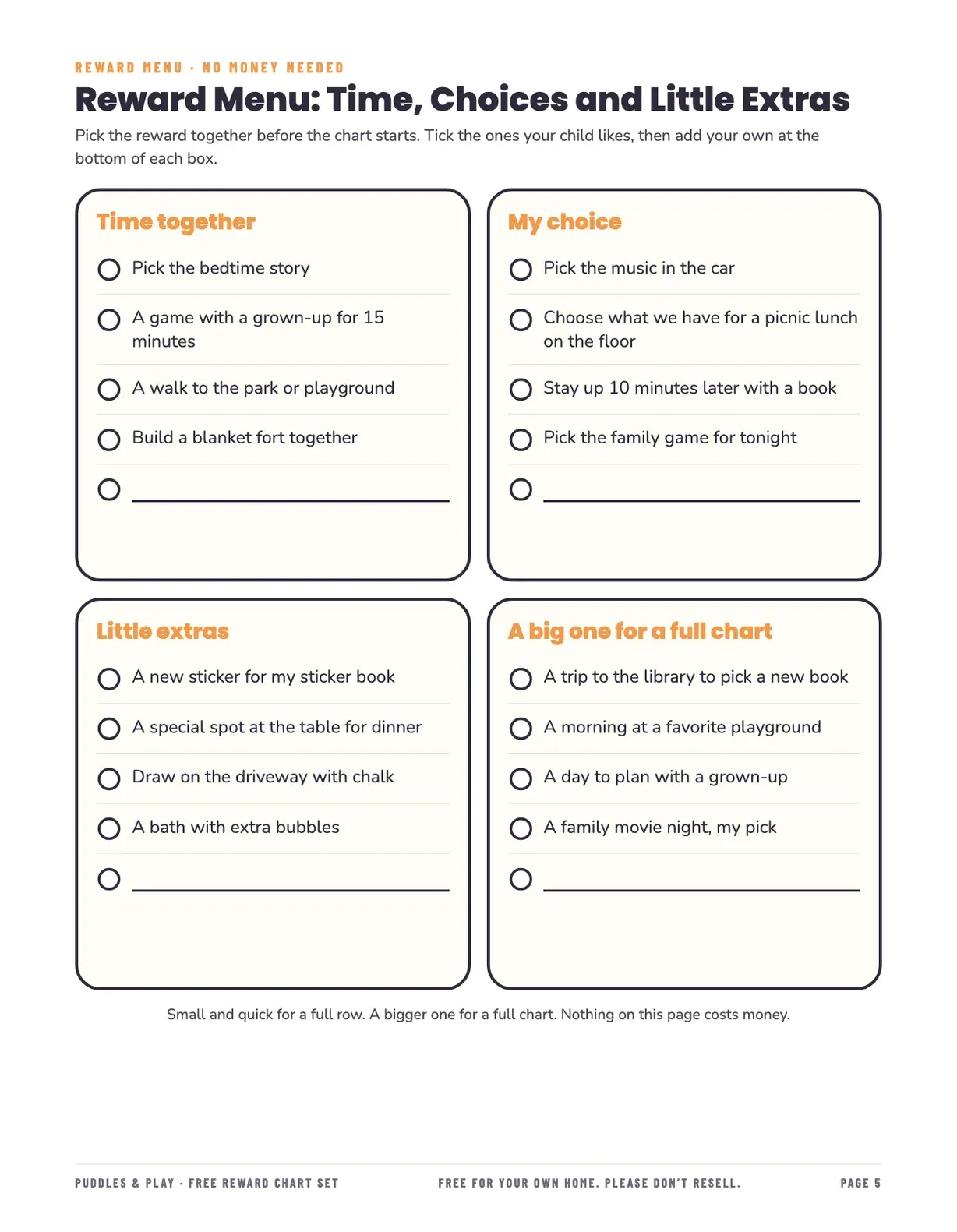
| 5 | Reward menu with time together, choices, little extras and a bigger one, none of it costing money | 3 to 8 |
| 6 | Grown-up page: 5 set-up rules and a safety note | Grown-ups |
Which chart to start with
Start with one chart and one goal. The three charts below look alike, but they suit different ages and different amounts of patience.
-
Step 1: Star chart (page 2)
Ages: 3 to 5
Prep: Print one page, pick one small goal and choose the prize from the menu together. Hang it at your child's height.
Mess: None, as long as the stickers go on the chart and not the wall.
Ten stars is a short path, so the prize is never far away. This is the one to try first with a younger child.
-
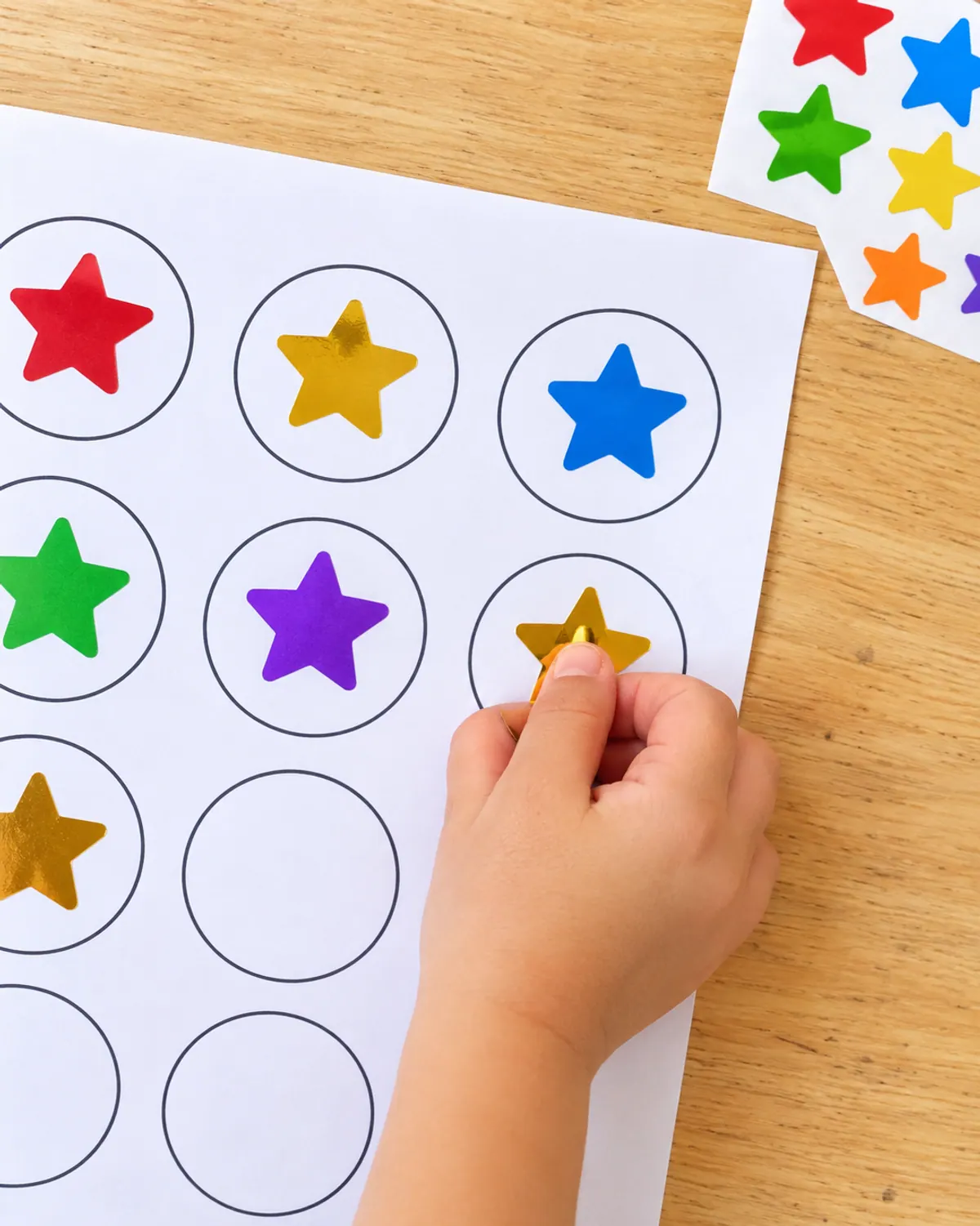
Step 2: Sticker chart (page 1)
Ages: 3 to 6
Prep: Print one page and write the goal in the box. Keep the sticker sheet in a drawer, so it is a thing you do together.
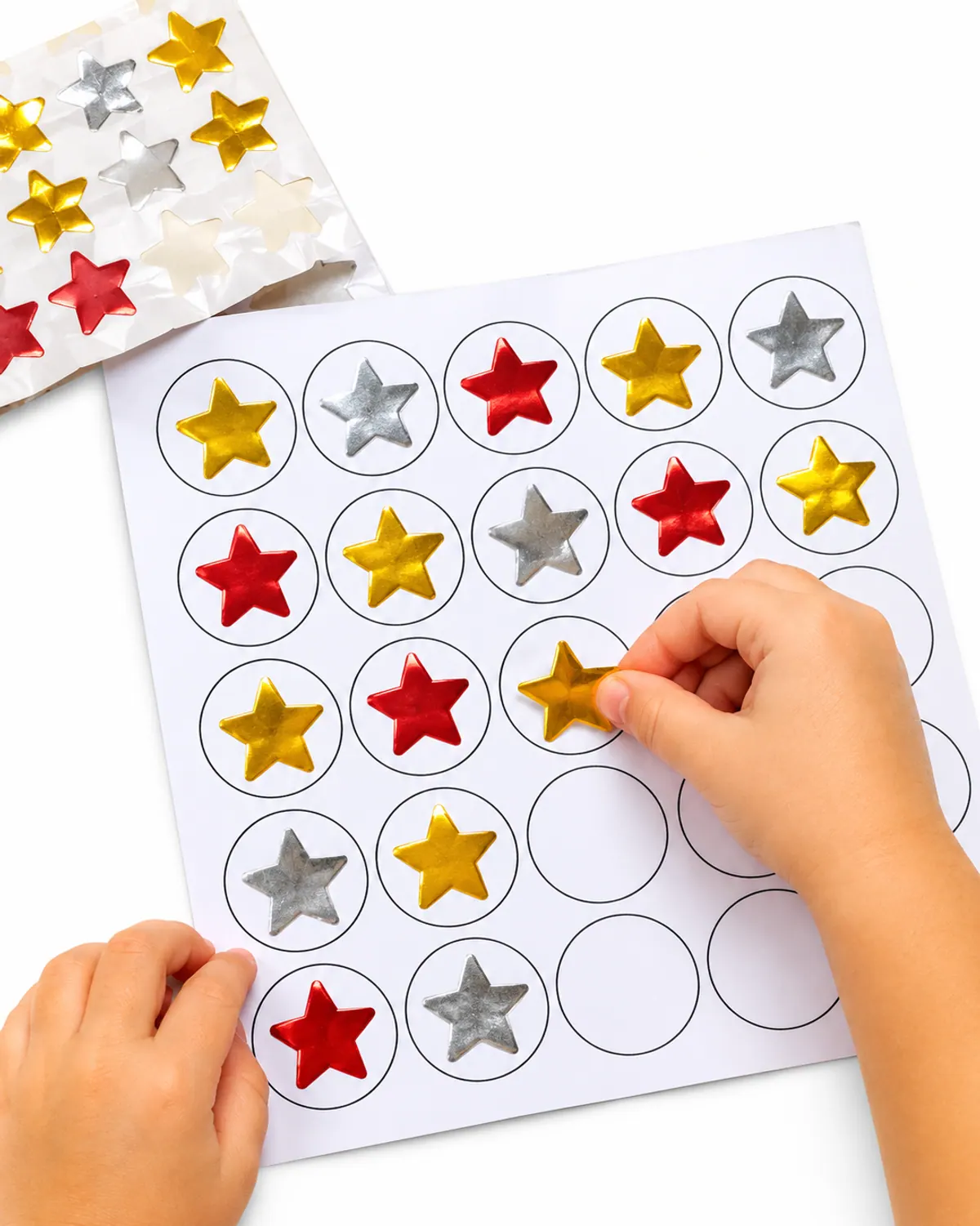
Mess: Low. Peeling small stickers is a good job for little fingers, with a grown-up close by.
Twenty spots is a longer run. Every fifth spot is a star spot, so there is a small moment of cheer along the way.
-
Step 3: Weekly chart (page 3 or 4)
Ages: 5 to 8
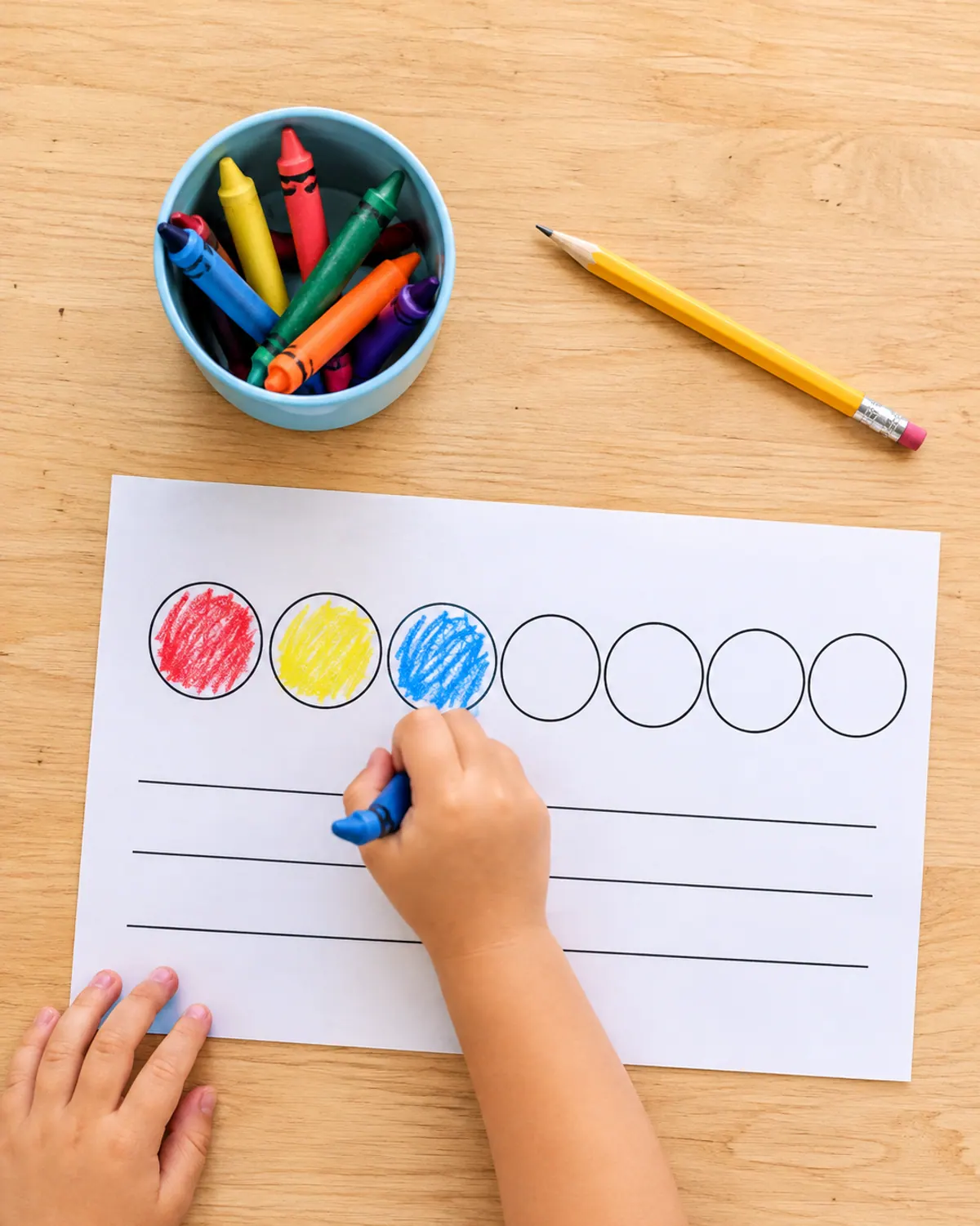
Prep: Print one page per week. Write up to three goals, then let your child choose how to mark each day: a sticker, a colored circle or a stamp.
Mess: Low. Use washable markers.
The kind thing row at the bottom is for something your child did for someone else, so the chart is not only about chores.
Pick a goal that is small enough
A good first goal is one your child can do on their own, today, in a minute or two. Put shoes on the shelf is a better first goal than be good at school. One goal first; a second can wait until the first one feels easy.
Goal ideas by age
For a child who is working on feelings and not tasks, a goal like use words when I am cross can fit the weekly chart. Keep the wording about what to do, not about what not to do.
The reward menu: no money needed
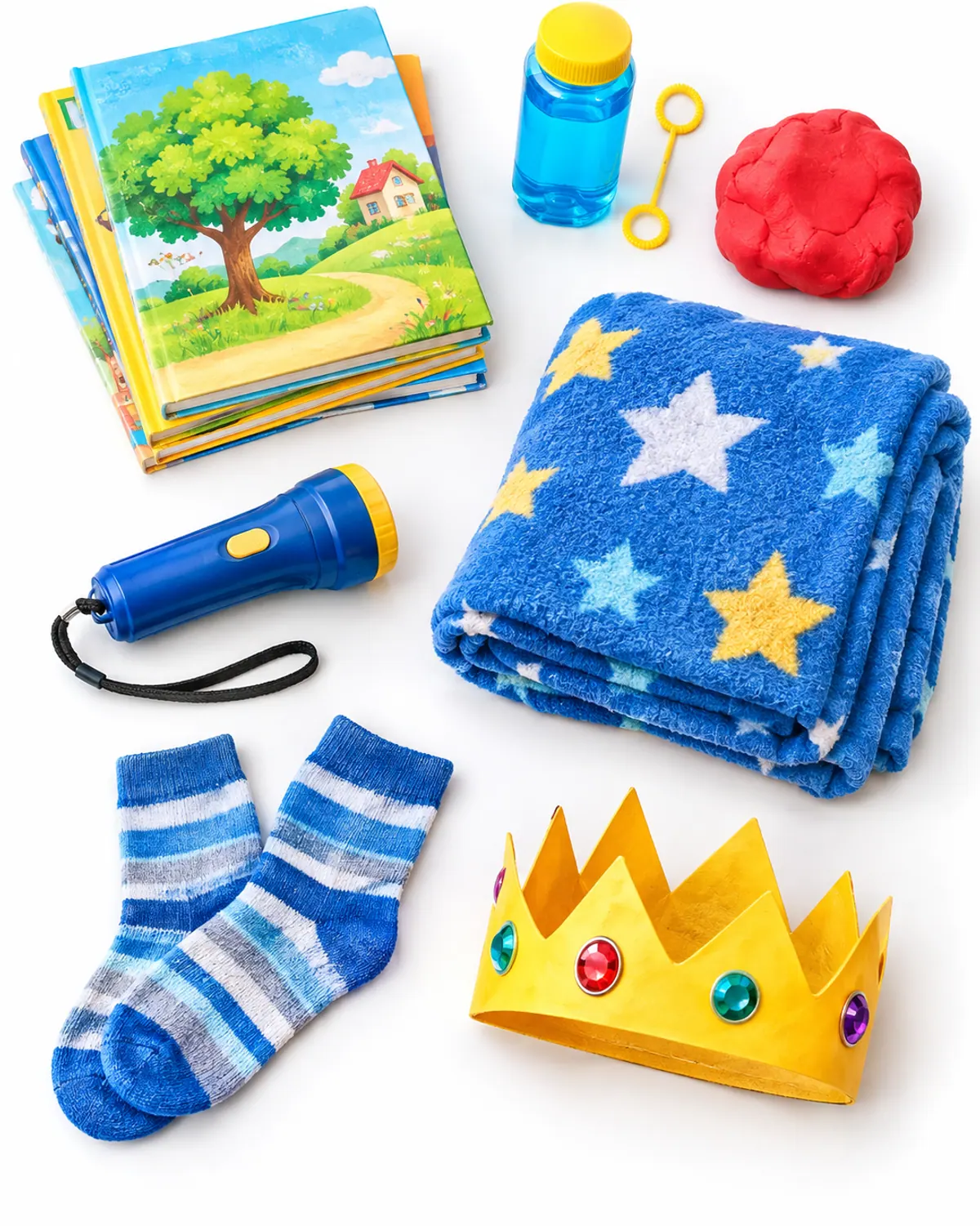
Page 5 is a reward menu in four boxes: time together, my choice, little extras, and a bigger one for a full chart. Choose the reward together before the first sticker so your child knows what the chart is leading to. Nothing on the menu costs money, and most of it is time with you.
| Box | Ideas |
|---|---|
| Time together | Pick the bedtime story, a 15 minute game, a walk to the park, a blanket fort |
| My choice | Pick the music in the car, a picnic lunch on the floor, 10 more minutes with a book, tonight's family game |
| Little extras | A new sticker for a sticker book, a special seat at dinner, chalk on the driveway, extra bubbles in the bath |
| A big one | A trip to the library, a morning at a favorite playground, a family movie night with their pick |
Five rules so the chart does not backfire
Page 6 of the PDF lists these for grown-ups. They are short, because a chart is easier to keep up when it is easy to remember.
-
Step 1: Pick one goal
Choose one small thing your child can do today.
-
Step 2: Choose the reward together
Let your child pick from the menu before the chart starts, so they know what they are working toward.
-
Step 3: Mark it right away
Add the sticker, star or tick as soon as the goal is done.
-
Step 4: Keep it kind
If a day is missed, leave the spot empty and start again tomorrow. Stickers already earned stay earned.
-
Step 5: Change it up
When a goal feels easy, swap it for a new one, or put the chart away for a while and bring it back later.
Where to hang it, and how to keep it light
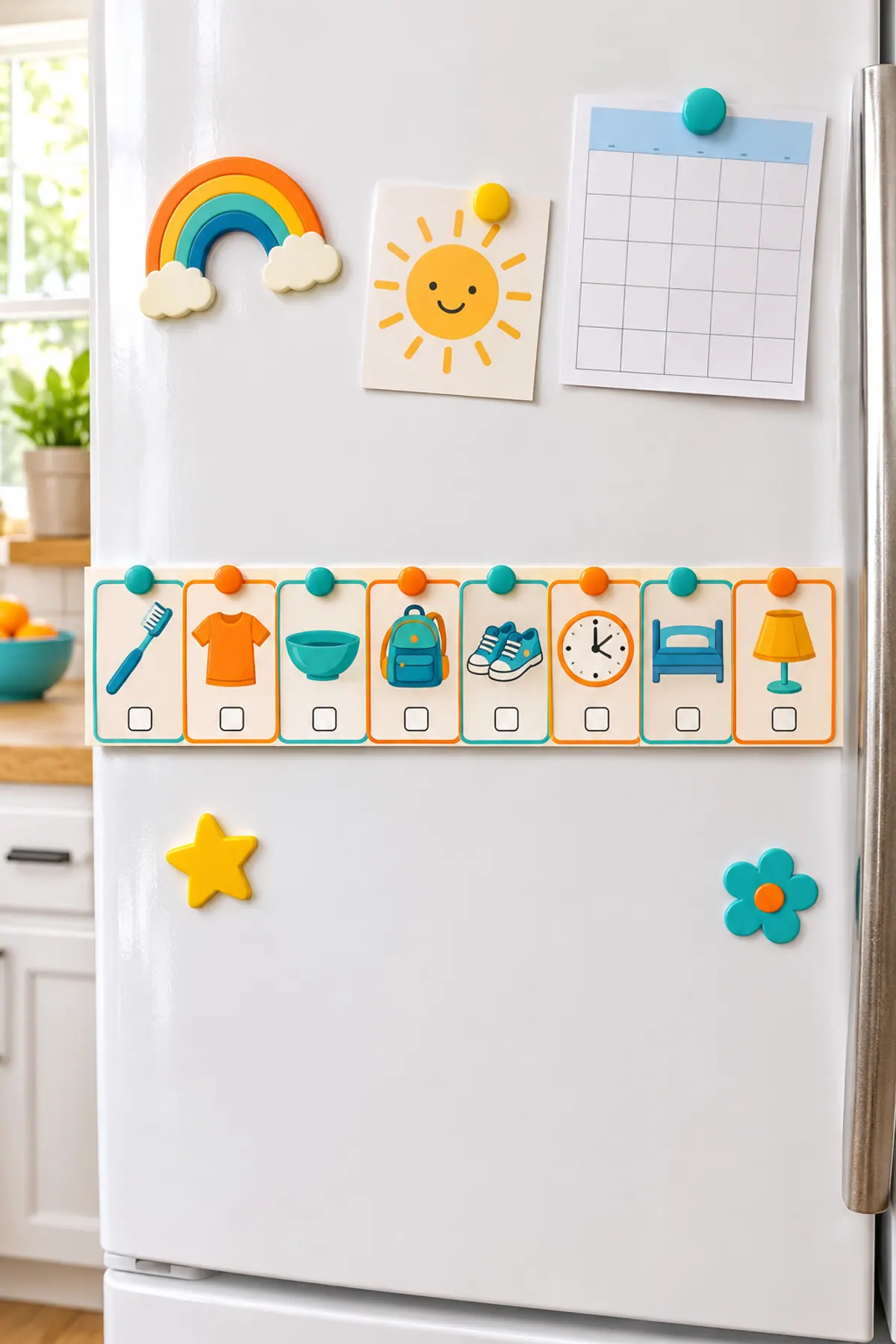
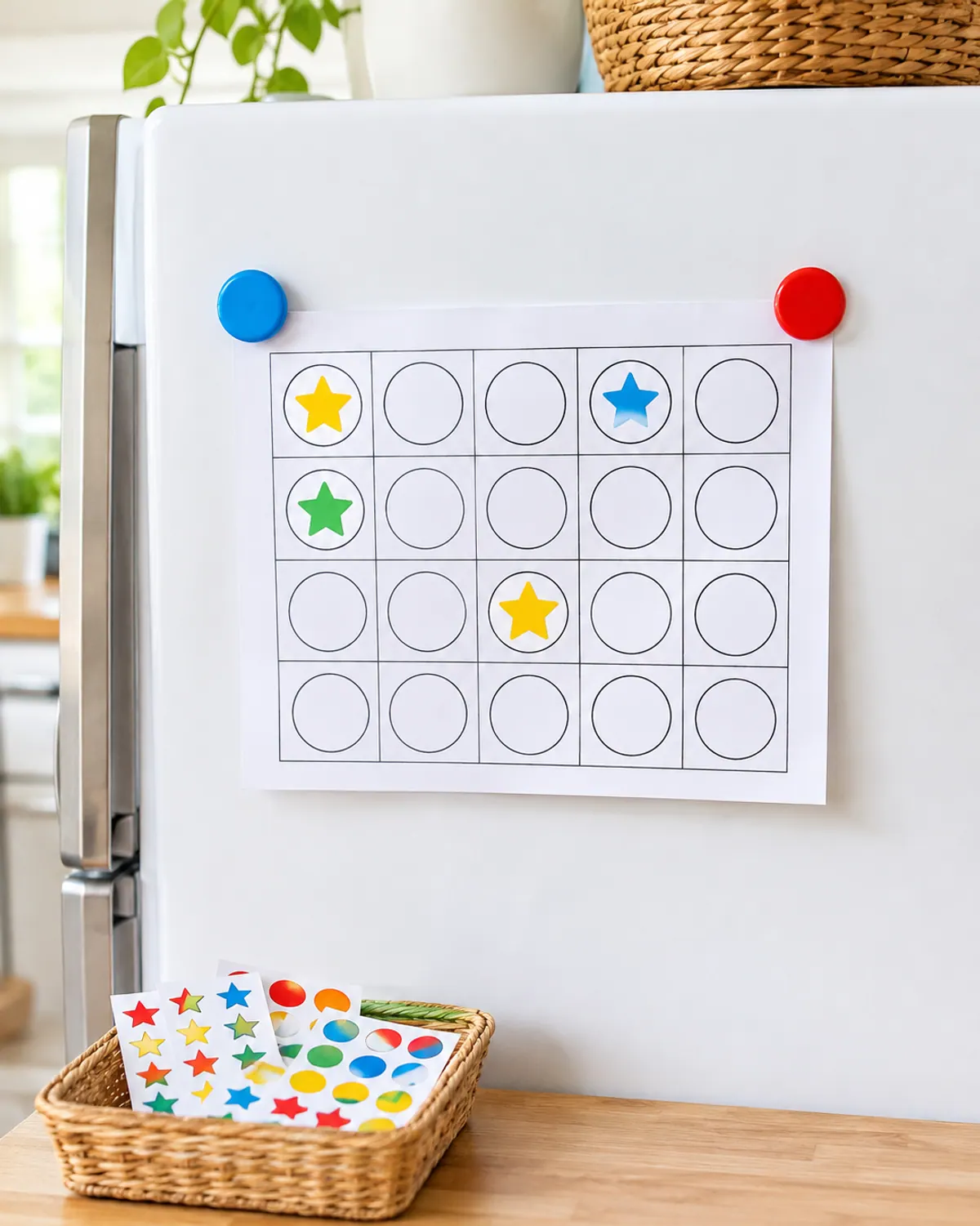
Hang the chart at your child's eye level, near where the goal happens: by the shoe shelf for the shoes goal, by the bathroom door for hand washing. Mark the chart together, once a day, at the same time. If a chart turns into a source of arguments, put it away for a few weeks and try again later with a new goal.
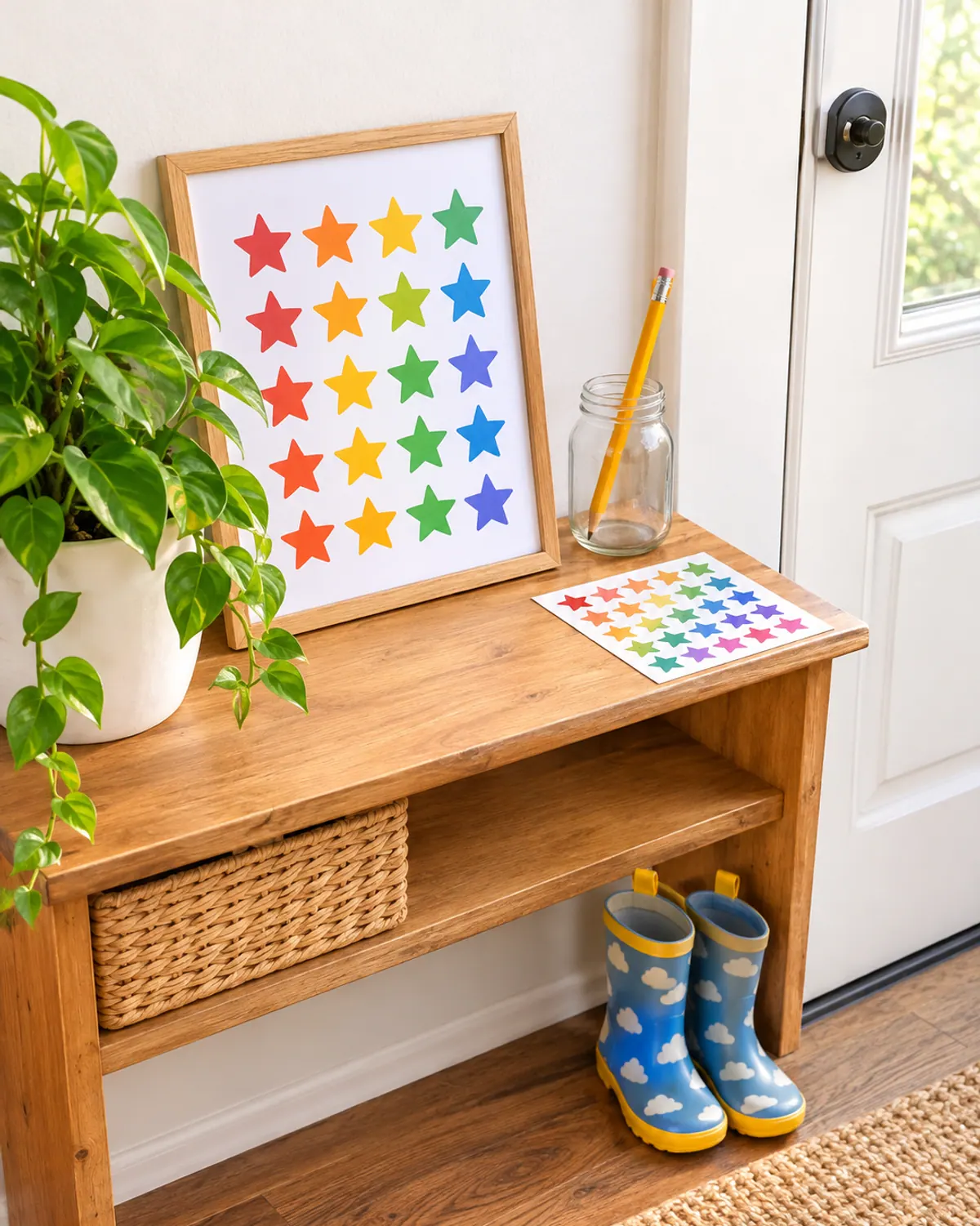
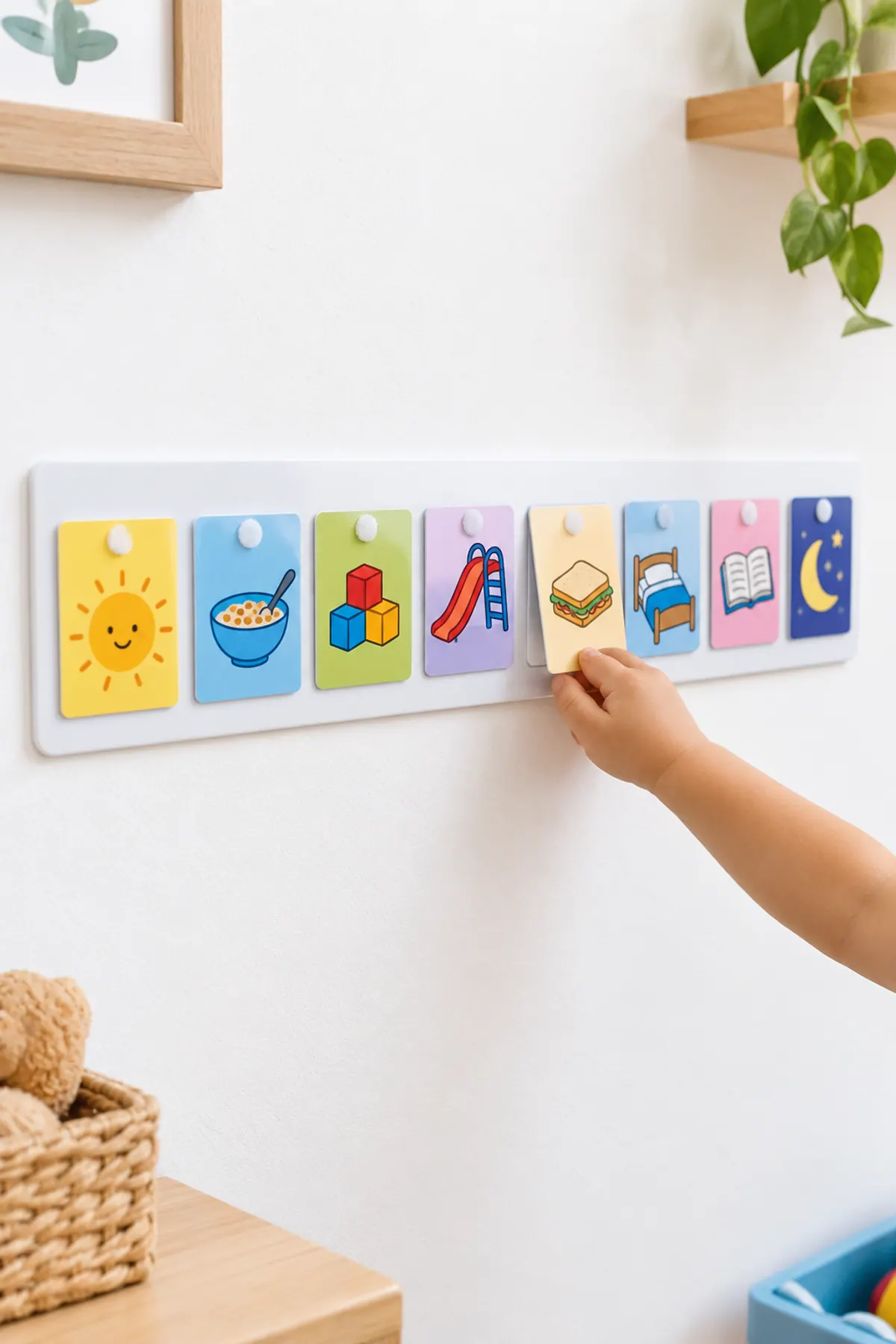
If you want a chart for the whole day rather than a single goal, the free picture chore chart has a picture version for ages 3 to 5 and a daily version for ages 6 to 8, with its own reward ideas. For a bigger fresh start in January, new year resolutions for kids has a goal page to go with the chart.
Supplies for the reward chart
Reward chart supplies (a short Amazon list)
-
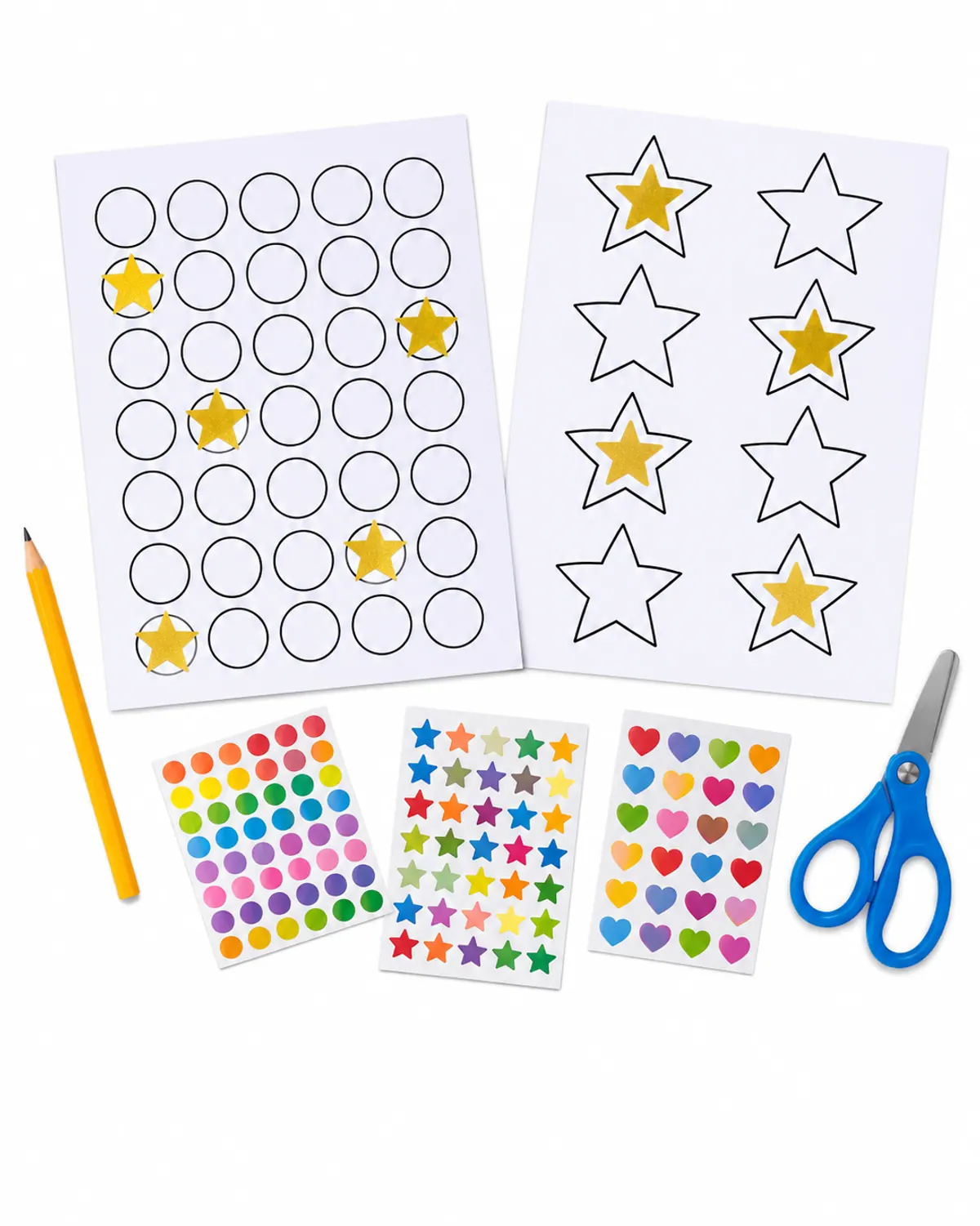
Star stickers in gold, silver and red
Typically $4 to $10, as of November 2026
Sheets of small stars fit the 20 spots on page 1; large stars suit the 10 star chart.
Check price on Amazon for Star stickers in gold, silver and red -
Dot stickers or reward stamps
Typically $5 to $12, as of November 2026
A stamp is easier for small hands than a peel-off sticker, and works for a child who chews stickers.
Check price on Amazon for Dot stickers or reward stamps -
Washable markers
Typically $5 to $12, as of November 2026
For coloring in a spot or writing the goal on a blank chart.
Check price on Amazon for Washable markers -
Clear plastic sleeves or a dry-erase marker
Typically $6 to $14, as of November 2026
Slide a page into a sleeve and the same chart works again next week.
Check price on Amazon for Clear plastic sleeves or a dry-erase marker -
Round magnets
Typically $5 to $10, as of November 2026
For hanging the chart at your child's height without tape marks.
Check price on Amazon for Round magnets
When your child asks for the next chart, or the old one has stopped working, that is when the Visual Routine and Chore Chart Kit at $7 helps: 80 picture cards for mornings, after school, bedtime and chores, three chore charts by age, a weekly star tracker and a 30 day sticker path to carry on after the first week. And if you want activities for rainy days and the holidays too, the Year of Play Bundle at $12 is four printable packs, 137 pages, for ages 3 to 8.
Frequently asked questions
Is this reward chart for kids really free?
Yes. The 6-page PDF is a free download on this page, in US Letter, and teachers may print copies for their own class. Please do not resell it.
What age is a sticker reward chart for?
The charts in this set are made for ages 3 to 8. The 10 star chart on page 2 is a good first chart for ages 3 to 5 because the end is close, and the weekly chart on page 3 suits ages 5 to 8.
How many goals should one reward chart have?
One to start with. Pick a small thing your child can do on their own, like putting shoes on the shelf. When it feels easy, swap it for a new one or add a second goal.
What can we use as rewards that do not cost money?
Page 5 is a reward menu with ideas like picking the bedtime story, a 15 minute game together, a walk to the park, a blanket fort, or choosing the music in the car. Pick one from the menu together before the chart starts.
What if my child misses a day?
Leave the spot empty and start again tomorrow. Stickers already earned stay earned. A chart is a tool for you and your child, not a verdict on them.
Can I use this as a potty training reward chart?
You can use the 10 star chart for any small goal, including sitting on the potty, if your child is ready and you are using stickers. Keep it light, follow your child's pace, and check with your child's doctor if you have questions about toilet training.
Are stickers safe for young children?
Small stickers are a choking hazard for children under 3 and for any child who still puts things in their mouth. Stay close while stickers are peeled and stuck, or use a colored circle or a stamp.
Save it for later
Pin this to your Printables board so it's there when you need it.
Save to Pinterest